
Terrorism fatalities in West Africa rise 14% in first half of 2026
West Africa recorded more than 2,000 terrorist attacks resulting in over 8,000 deaths, with fatalities rising by 14 per cent in the first half of 2026.
Security officials said the figures highlighted persistent extremist threats in the sub-region and the need to strengthen intelligence, prevention and community-based early warning systems.
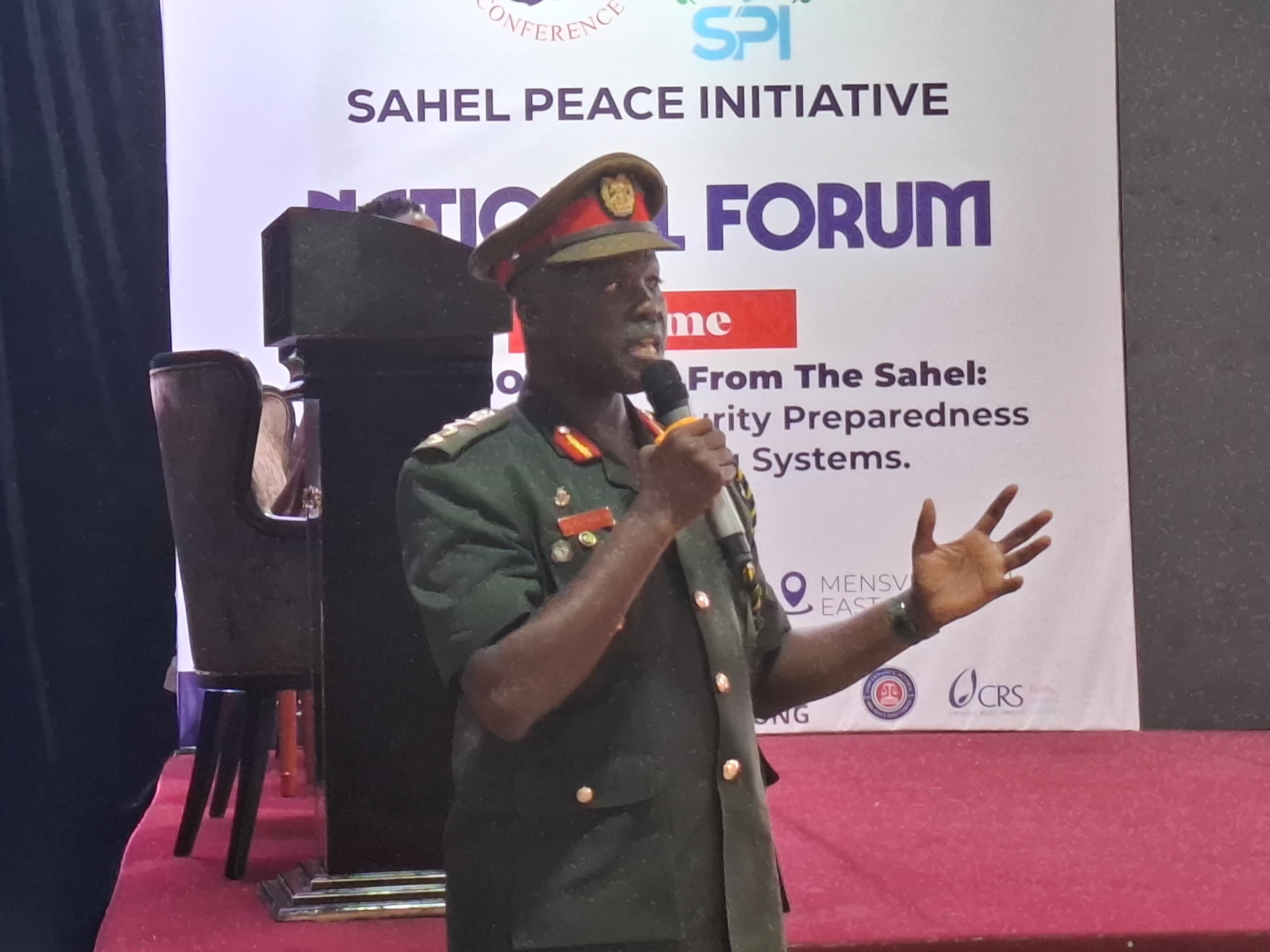
Major General Timothy Baa-Taa-Banah, Director of the National Counter-Terrorism Fusion Centre, disclosed this on Thursday at the 2026 Sahel Peace Initiative National Forum in Accra.
The forum, held on the theme: “Spill-over risks from the Sahel: Assessing Ghana’s security preparedness and early warning systems,” brought together government officials, security agencies, traditional and religious leaders, civil society organisations and development partners.
Maj. Gen. Baa-Taa-Banah said the Sahel and wider West African region remained a major theatre for terrorist activity and warned against allowing violent extremism to become “normalised.”
“As of last month, we have recorded just a little over 8,000 lives lost from about 2,000 attacks within the sub-region. The first half of 2026 recorded a 14 per cent increase in fatalities,” he said.
Maj. Gen. Baa-Taa-Banah said extremist groups operating in the region had become more organised, using technology and artificial intelligence, cross-border networks and illicit financing channels to support their activities.
“They no longer act in rudimentary ways. They plan, rehearse, coordinate using technology and execute with precision,” he said.
Maj. Gen. Baa-Taa-Banah said the effects of terrorism extended beyond casualties, affecting governance, economic activity, education, social cohesion and public confidence.
He said Ghana was not immune to the regional threat, despite the country not being a primary theatre of terrorist attacks.
“We have evidence that our citizens, some of them, have joined terrorist groups. We have even had university graduates in Ghana joining them willingly,” he said.
Maj. Gen. Baa-Taa-Banah said Ghana’s response was based on an “all-of-society approach” involving intelligence gathering, security operations and public participation.
“The state is more than prepared. But preparation is not an event. It is an enduring process,” he said.
Maj. Gen. Baa-Taa-Banah encouraged citizens to support security efforts through the “See Something, Say Something” campaign.
“When you see something that is not right, signal it to somebody. It is not only about terrorists. Any abnormality that threatens the peace and safety of society should be reported,” he said.
Maj. Gen. Stephen Woseadzikpo Kweku Parbey, Chief of Defence Intelligence, warned that unresolved communal conflicts could create vulnerabilities that extremist groups might exploit.
“No conflict situation in this country will produce a victor. What it creates is confusion, and confusion gives room for those who seek to do us harm,” he said.
Maj. Gen. Parbey urged communities to remain vigilant and report suspicious activities as part of national early warning efforts.
“We all have a responsibility. If you see something unusual, tell somebody. Reporting what you observe is an essential part of our early warning system,” he said.
Mrs Anna Wasserfall, Country Representative of the Konrad-Adenauer-Stiftung (KAS) Ghana, said effective early warning systems depended on trust, timely information sharing and coordination among communities, authorities and security institutions.
She said digital technologies could strengthen early warning mechanisms by improving communication, coordination and feedback, provided the necessary institutional frameworks and public confidence were in place.
The Sahel Peace Initiative is a regional peacebuilding programme supported by the Catholic Church and Catholic Relief Services, aimed at promoting dialogue, social cohesion, community resilience and cooperation in addressing violent extremism.
Source: GNA