
Resilient cocoa sector impossible without resilient farmers – Researcher
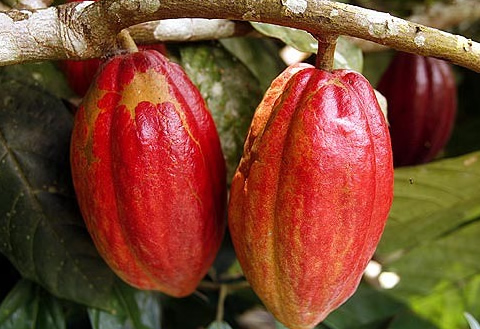 Dr. Albert A. Arhin, Researcher at Kwame Nkrumah University of Science and Technology (KNUST), has called for cocoa policies in Ghana to focus not only on production and yields but also on the health and wellbeing of cocoa farmers.
He said a resilient cocoa sector could not be achieved without resilient farmers.
Speaking at a policy and research breakfast meeting on producer-focused climate policy in Accra, Dr. Arhin said findings from a recent study conducted in cocoa-growing communities in Ghana and Côte d’Ivoire showed that climate change was affecting both cocoa production and the farmers themselves.
He explained that the study engaged more than 1,000 cocoa farmers across the two countries, with about 500 Ghanaian farmers participating in quantitative surveys while others took part in qualitative interviews.
The researcher said farmers expressed concerns that although much attention had been placed on increasing productivity and addressing storage decline, insufficient attention was being paid to the impact of climate change on their health, labour capacity and overall wellbeing.
“The impact of climate change is not only on the cocoa tree but also on the producer himself. If the producer is not resilient, we cannot have a resilient cocoa sector,” he stated.
Dr. Arhin noted that cocoa farmers believed their concerns were often ignored despite engagements through cooperatives, civil society organisations and other structures.
He added that farmers continued to raise concerns over poor roads, low producer prices and unfulfilled promises affecting their livelihoods.
The researcher said cocoa production in Ghana had declined from an average of about 800,000 tonnes to nearly 600,000 tonnes, stressing that focusing solely on productivity interventions would not be enough to reverse the trend.
He said the study revealed that labour shortages, farmer health challenges and reduced time spent on farms due to climate-related conditions were all contributing to declining cocoa yields.
Dr. Arhin said government policies should therefore incorporate measures aimed at protecting farmers’ health, improving their welfare and strengthening their resilience to climate shocks.
He added that adopting the recommendations from the research could lead to significant transformation within Ghana’s cocoa sector.
Mr. Jose Lopez Ganem, the Executive Director, Institute for Cacao and Chocolate Research, called for stronger investment in healthcare and infrastructure for cocoa farmers.
Mr. Ganem said countries such as Ghana and Côte d’Ivoire must begin to see farmer health as a critical component of agricultural productivity, especially as climate change continues to intensify pressures on farming communities.
Drawing comparisons with Taiwan, he explained that farmers there had quick access to affordable healthcare services, noting that injured farmers could see a doctor within 24 hours and receive treatment at relatively low cost.
He said Taiwan’s experience demonstrated that linking farming to healthcare in a successful and sustainable manner was achievable when governments make deliberate investments in social systems that support agricultural communities.
“This is to say that linking farming to health in a successful manner is not impossible,” he stressed.
Mr. Ganem noted that while countries such as Ghana, Côte d’Ivoire, Nigeria, Cameroon, and parts of Latin America faced different development challenges, the connection between farmer health and productivity could no longer be ignored.
He suggested that lessons could be drawn from sectors such as oil production, where workers in some countries enjoy stronger healthcare support systems because of government investment and oversight.
He also underscored the importance of road infrastructure and transportation systems in improving access to healthcare and other essential services for rural farmers.
The Executive Director called for broader discussions on climate resilience to include investments in healthcare systems, rural infrastructure, and transportation as part of efforts to protect farmers and sustain cocoa production.
Source: GNA