
NGO issues heat advisory to fasting Muslims amid soaring temperatures
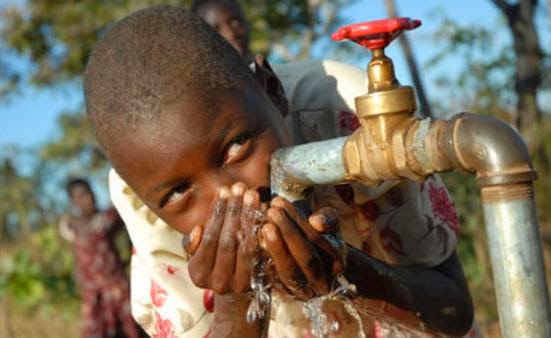 Eco Impact Network, a non-governmental organisation (NGO) focused on environment and climate, has urged Muslims observing Ramadan to take deliberate precautions against heat exhaustion as temperatures continue to rise across parts of Ghana.
Mrs Gifty Ofori-Yeboah, the Chief Executive Officer (CEO) of the organisation, expressed concern that prolonged exposure to intense heat, combined with fasting, could pose serious health risks, particularly for outdoor workers, the elderly, children, and individuals with underlying medical conditions.
In an interview with the Ghana News Agency (GNA), she explained that heat exhaustion occurs when the body loses excessive water and salt through sweating and said it was often caused by extended exposure to high temperatures, especially when accompanied by physical activity.
She said common symptoms include dizziness, headache, weakness, nausea, heavy sweating, and muscle cramps, and, if left untreated, could progress to heatstroke, which is a life-threatening condition requiring urgent medical attention.
Mrs Ofori-Yeboah, the risk becomes more pronounced during Ramadan because fasting individuals do not consume water throughout the day, adding that in high temperatures, the body naturally demands more fluids to regulate internal temperature.
Outlining practical measures to reduce the risk of heat exhaustion, she urged Muslims to drink sufficient water between sunset and dawn to restore lost fluids, consume fruits with high water content such as watermelon and oranges during the pre-dawn and evening meals, and place wet towels around their neck area to cool the body, among others.
In addition, she advised people to limit unnecessary exposure to direct sunlight during peak afternoon hours and appealed to outdoor workers to take short rest breaks in shaded areas whenever possible.
Source: GNA