
Ghanaian entrepreneurs urged to tap into Singapore as gateway to Asian markets
Singapore is calling on Ghanaian businesses to explore and enhance new and existing opportunities for partnership, investment, and innovation as the Southeast Asian nation positions itself as a global hub for technology, trade, and economic transformation.
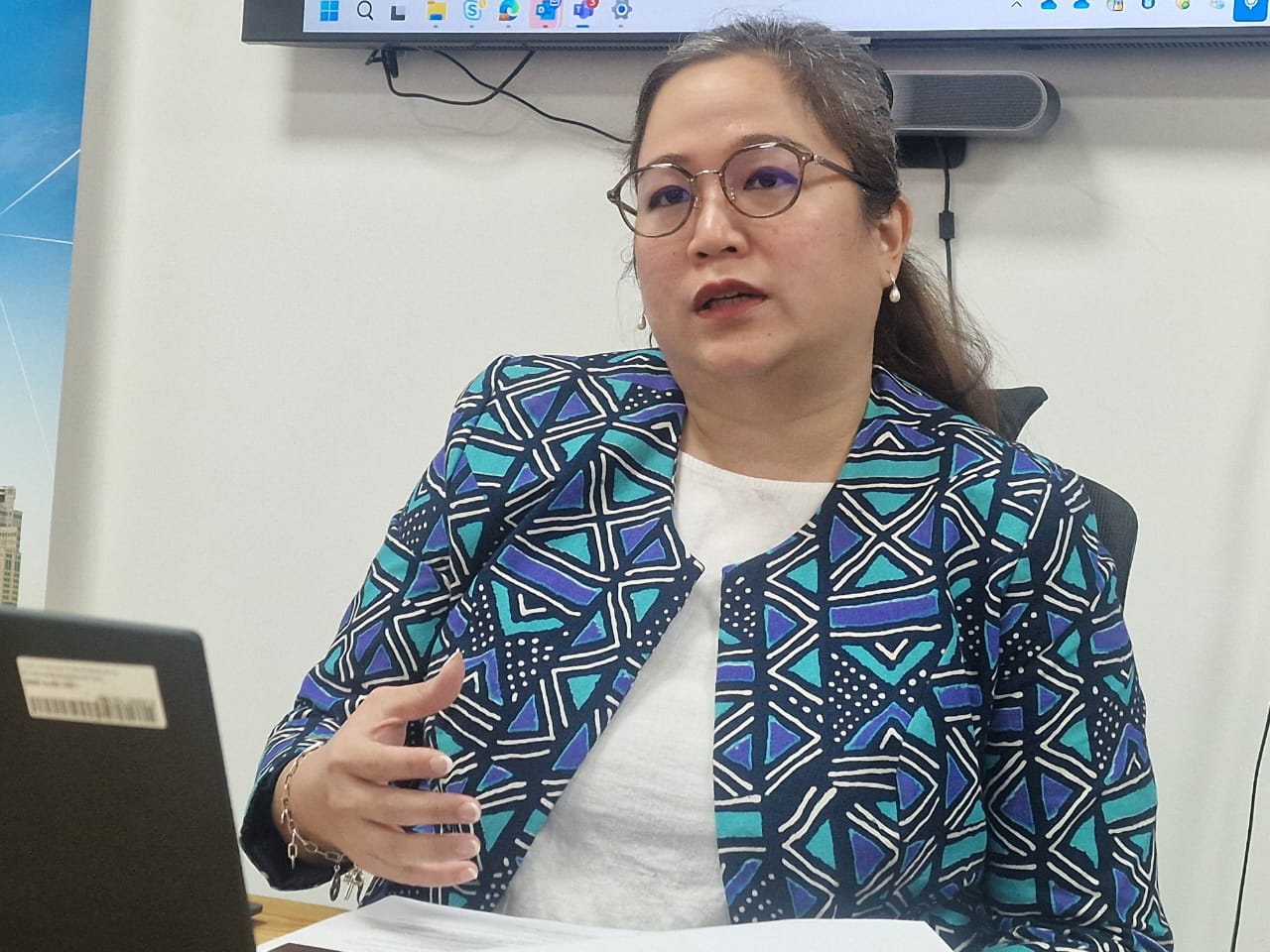
At a press briefing in Accra ahead of the Singapore-Africa business forum in August, Jean NG, the regional director in charge of West, Central, and Southern Africa, affirmed Singapore’s growing interest in West Africa, citing Ghana’s political stability, favorable business environment, and strategic potential within the African Continental Free Trade Area (AfCFTA).
With the global economy facing increasing uncertainty—from supply chain disruptions to geopolitical tensions and US tariffs—Singaporean firms are looking to diversify markets, scale operations, and tap into Africa’s youthful population to expand. Ghana, in particular, has emerged as a key entry point into West Africa’s fast-evolving economy.
“Ghana is a natural choice for many Singaporean enterprises,” Rahul Ghosh, Director Middle East Africa said via Zoom. “It offers political stability, a dynamic consumer base, and a country open to foreign investment,” he added.
Singapore, a nation of just over six million people—a sizable number of whom are expatriates—has long leveraged its strategic location to become a vital link between the East and West. Its economic model is built on innovation, trade facilitation, and digital transformation. It sees in Africa a mirror of its early growth trajectory—an emerging frontier rich in talent, natural resources, and economic potential.
The continent’s free trade market (AfCFTA) and young, tech-savvy population are opening doors for co-developing products and services that meet local needs. From agritech to fintech, Singapore wants to collaborate with African entrepreneurs to build scalable solutions that can serve both regional and global markets.
Ghana’s existing ties with Singapore are already producing results. Frytol cooking oil, produced by Wilmar and Tasty Tom by Olam.
Singapore’s appetite for Ghanaian goods is also growing. Shea butter, black soap, chocolate, and cashew products are increasingly gaining attention from the cosmetic, health, and food sectors in Asia.
With the right quality standards and trade facilitation, Ghana could significantly expand its exports to Singapore and the broader Asian market, Jean NG said.
Singapore isn’t just looking for trading partners; it seeks co-creators. The city-state is home to over 4,500 tech startups across 30 sectors and has made urban innovation and smart cities central to its development strategy. It is now inviting African businesses to plug into this ecosystem.
By internationalizing beyond borders and building platforms for co-innovation, Ghanaian entrepreneurs can benefit from Singapore’s world-class infrastructure, technology incubators, and expertise in scaling businesses globally, Rahul Ghosh said.
According to Jean NG, “trade today is not just about physical goods crossing borders—it’s about ideas, digital services, setting global standards and partnerships. Our approach is collaborative. We want to create win-win partnerships where both sides grow together.”
Despite the enthusiasm, challenges remain. Several Singaporean companies expressed concerns about doing business in Ghana. Among the top hurdles are: Complex regulatory processes and bureaucratic bottlenecks. Dealing with multiple agencies for licenses and permits. Lack of long-term policy clarity. Difficulty in identifying credible local partners and limited access to reliable data, which slows down decision-making, said Ghosh.
Singapore offers Ghanaian businesses a gateway not just to Southeast Asia, but to the entire Asia-Pacific region. Its robust logistics network and commitment to innovation make it an ideal launchpad for companies ready to expand their global footprint.
In a world where economies are increasingly interconnected, Singapore and Ghana are exploring a shared vision of prosperity built on innovation and the drive to solve everyday problems, from food security to financial inclusion.
The Singapore Africa Business Forum is scheduled to take place in Singapore from August 26 – 28, 2025. This is expected to bring together business leaders, government officials, and state agencies from over 50 countries globally.
By Fred Duhoe