
After nearly billion dollars spent, little seem to change with Accra floods
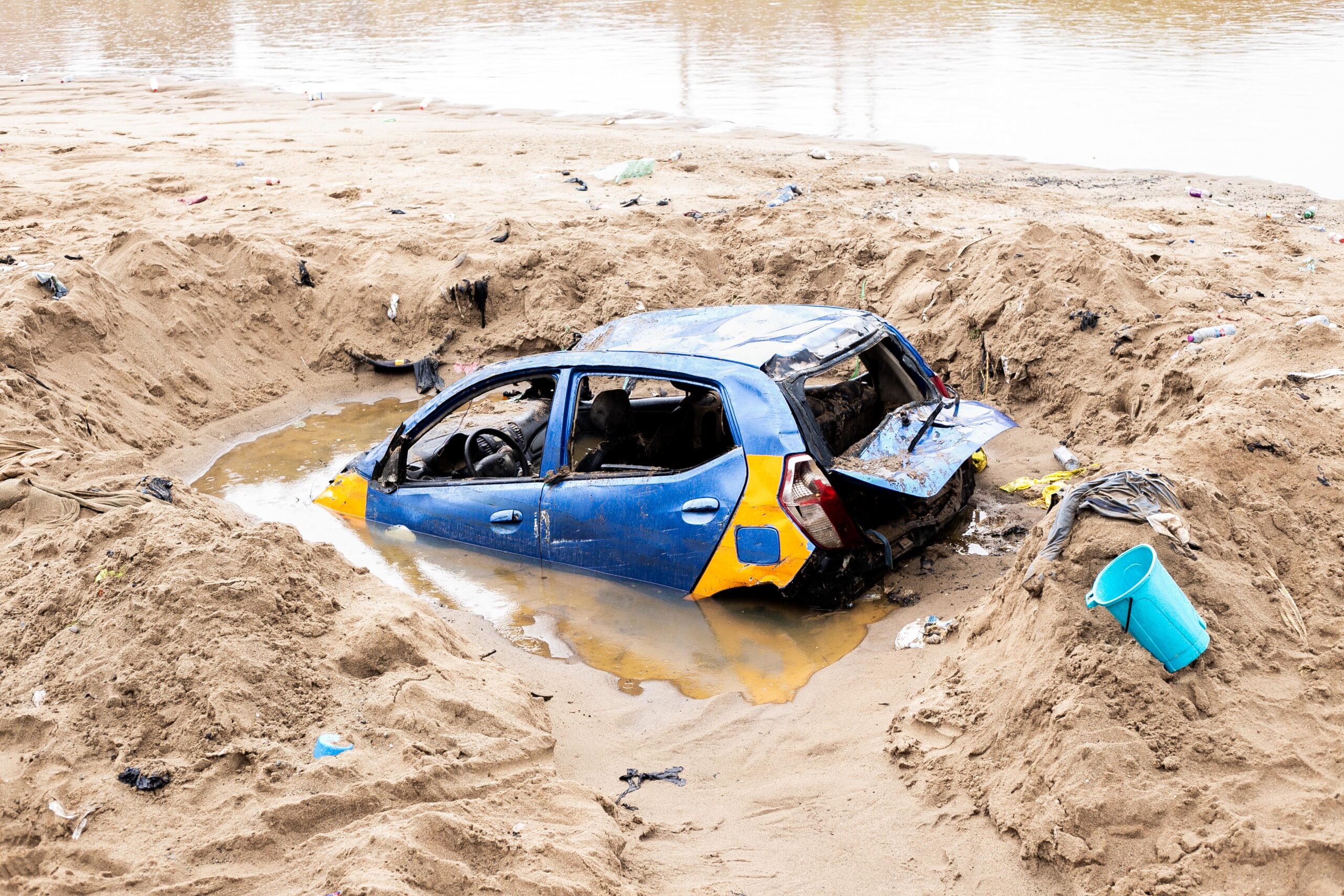
In this second and final instalment on our article on the death of Accra’s water bodies and the resultant never ending devastating floods, we touch on the efforts, including the money spent to address the issues.
Few Ghanaian cities have received as much attention for drainage improvement as Accra.
Nearly $1 billion has been spent on the efforts to fix the flooding problems.
Successive governments have undertaken dredging operations, drain reconstruction, flood mitigation projects and sanitation campaigns.
The Greater Accra Metropolitan Area Sanitation and Water Project focused on improving drainage infrastructure in flood-prone communities through new culverts and related interventions.
The GARID Project represents an even broader effort.
Its objectives extend beyond dredging to include improved flood management, solid waste management and better living conditions for vulnerable communities throughout the Odaw Basin.
These interventions are important. They are also necessary. But infrastructure alone cannot restore an ecosystem. The challenge is therefore systemic. Engineering addresses symptoms. Governance – must address causes.
The governance puzzle
Perhaps the greatest obstacle facing Accra’s water bodies is not technological. It is institutional.
Responsibility for rivers, drains, wetlands, sanitation, land use, roads and water resources is divided among multiple ministries, agencies and metropolitan assemblies.
Each institution performs an important role. Yet rivers do not recognise administrative boundaries. Pollution generated in one municipality may create flooding in another.
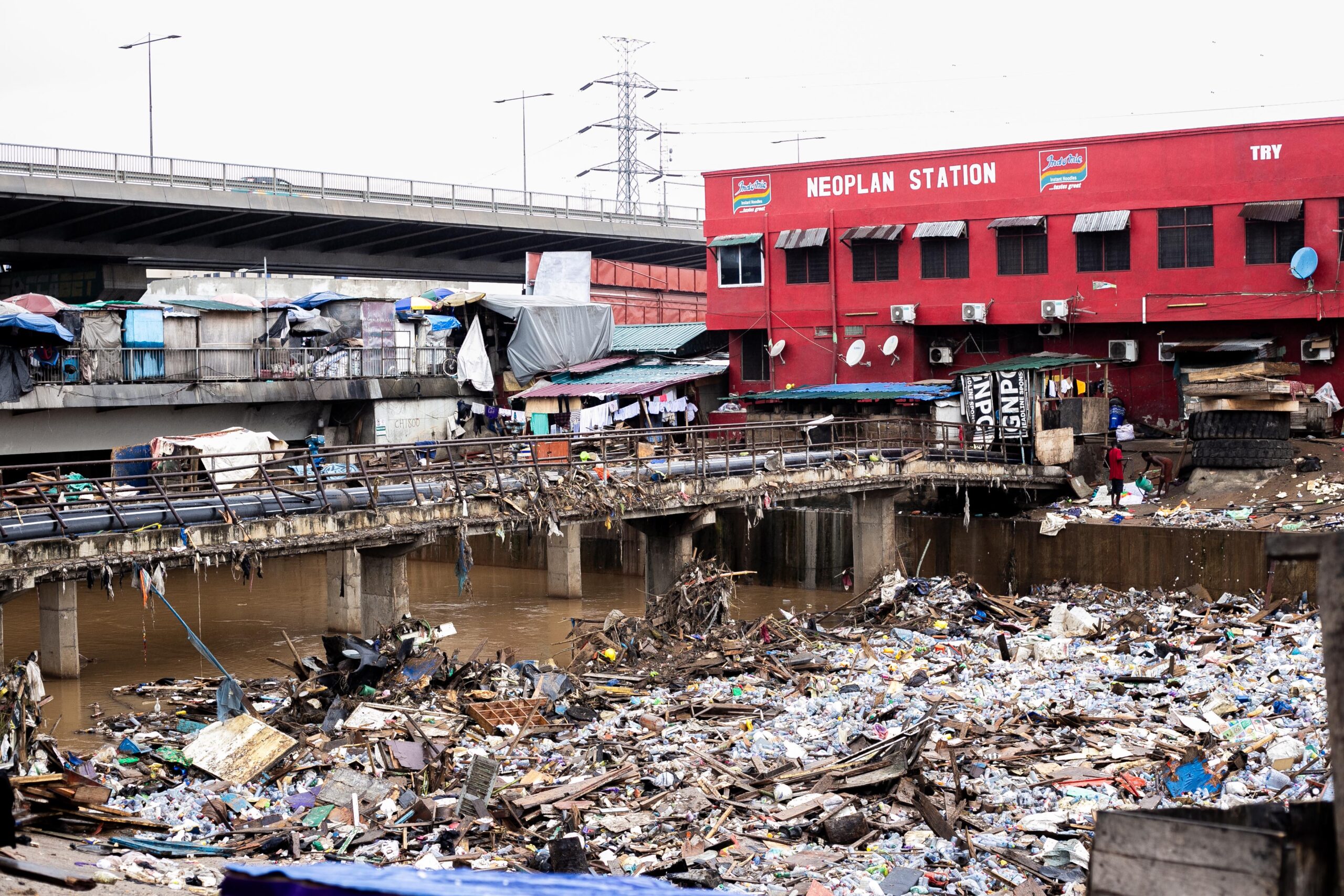
Development approved upstream may increase risks downstream. A river basin functions as a single ecological unit even when governance remains fragmented.
Environmental planners have long argued that watershed management—not isolated infrastructure projects—offers the only sustainable path forward.
That means coordinating land use, drainage, sanitation, waste management and environmental protection across the entire basin rather than treating each issue separately.
It is a far more difficult approach. It is also the only one likely to succeed.
A reckoning long delayed
For decades, Accra’s rivers absorbed the consequences of urban growth with remarkable resilience. Wetlands stored floodwaters. Lagoons trapped sediments. Vegetation filtered pollutants. Nature quietly compensated for planning failures, impunity, effects of abuse of power and corruption. But eventually, those systems reached their limits.
Today’s floods are not simply the result of heavy rain. The polluted lagoons are not simply the result of littering. The shrinking wetlands are not simply the consequence of population growth. They are evidence of a city that gradually devoured the ecological infrastructure upon which it depended, and left itself exposed.
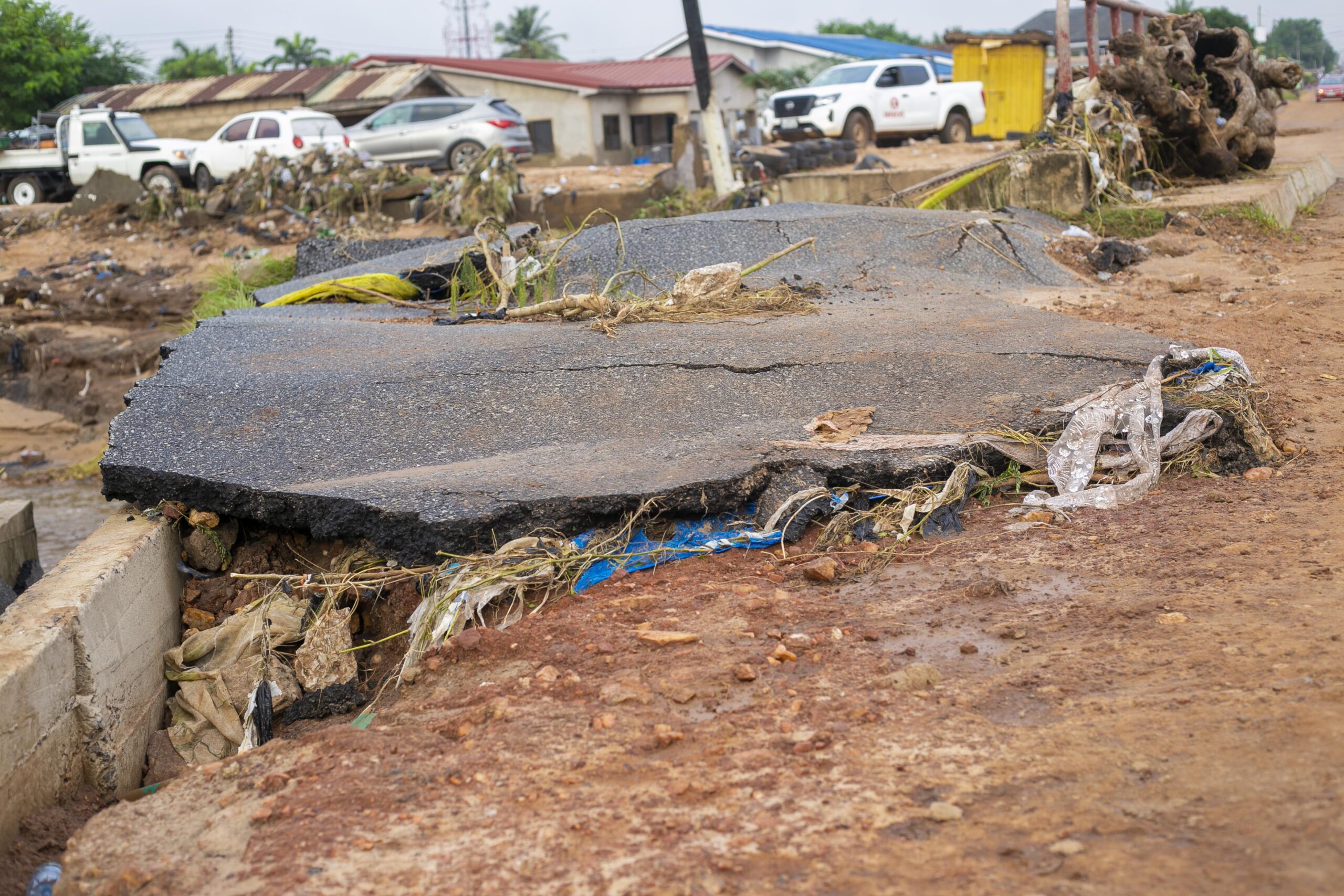
The warning signs have been there for years. Scientists have documented declining water quality. Environmental assessments have mapped flood risks. Urban planners haveidentified encroachment into wetlands. Communities repeatedly experienced devastating floods. The evidence has never been lacking. What has often been lacking is the sustained political, institutional and societal commitment required to reverse the trend.
The question confronting Accra is no longer whether its rivers are in crisis.
The question is whether the city still has time to restore them before the next generation inherits waterways that exist only as concrete channels on old maps.
Can Accra’s rivers be saved?
Every great city has a river story. For London, it is the Thames, once biologically dead but now home again to seals, salmon and more than 100 species of fish. Singapore transformed what had become an open sewer into the clean Singapore River through strict pollution control, relocation of polluting activities and decades of sustained investment. South Korea dismantled an elevated highway to restore the Cheonggyecheon Stream, creating a vibrant ecological corridor through the heart of Seoul.
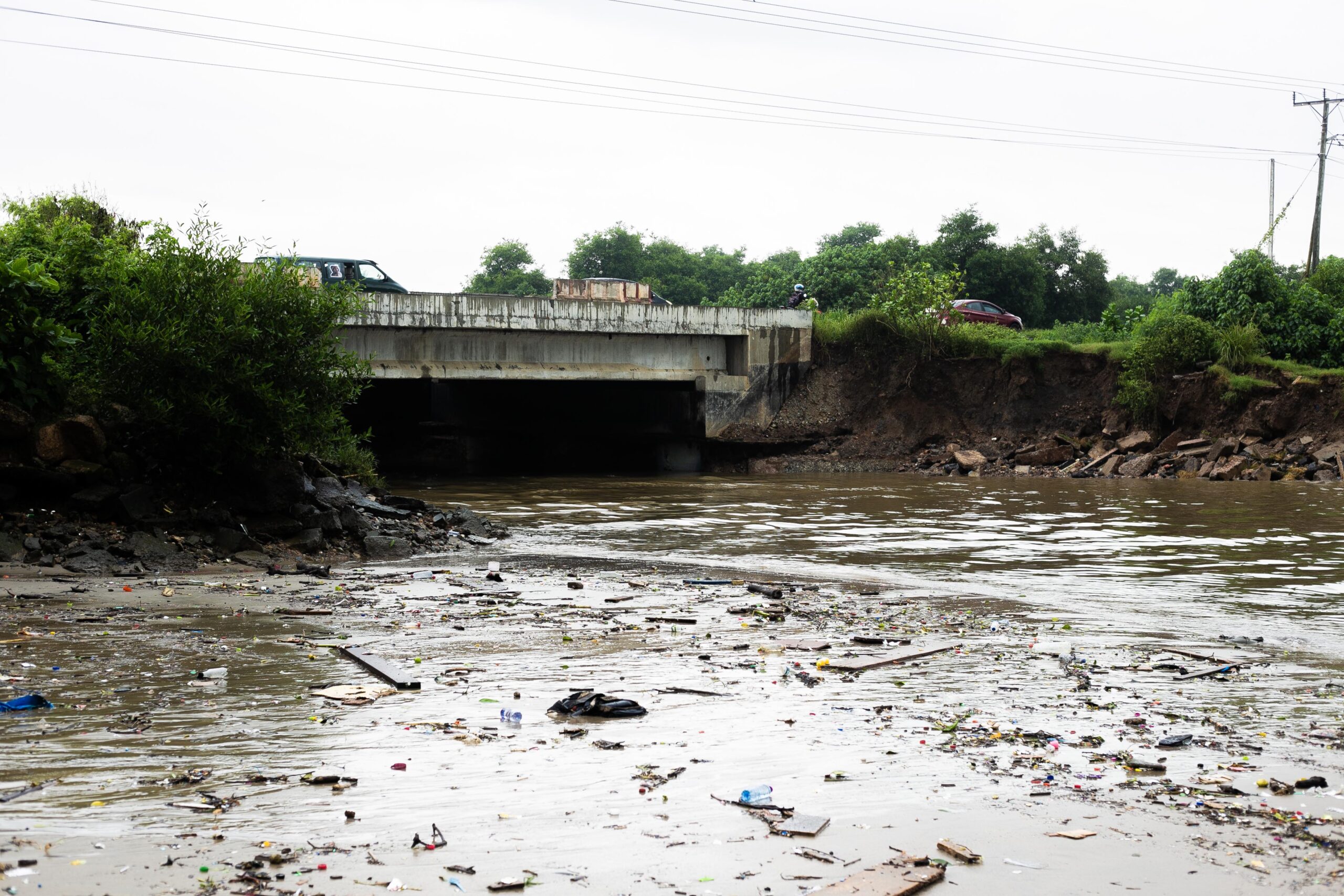
These transformations did not happen because those cities experienced less pollution than Accra. They happened because governments accepted a simple but difficult truth: rivers cannot be managed as drains. They ought to be managed as living ecosystems. That is the challenge now confronting Ghana’s capital.
The question is no longer whether Accra’s rivers, lagoons and wetlands need saving.
It is whether the city possesses the political will, institutional coordination and public commitment to undertake a restoration effort that may take decades to achieve.
Beyond dredging
For many residents, the most visible government response to flooding has been dredging. Heavy machinery removes accumulated sediment from rivers and drains before the rainy season, temporarily increasing the channels’ capacity to convey storm water. It is necessary work. But it is also insufficient.
The Environmental and Social Impact Assessment for the Greater Accra Resilient and Integrated Development (GARID) Project acknowledges this reality. While dredging is central to reducing flood risk, the broader objectives of the project include strengthening flood management, improving solid waste management and enhancing living conditions within vulnerable communities across the Odaw Basin.
That broader vision reflects an important shift in thinking. Flood management cannot be separated from waste management. Neither can it be separated from housing, land use planning, sanitation or environmental protection.
Every intervention upstream determines what happens downstream.
Restoring nature’s infrastructure
For decades, engineering has dominated flood management in Accra. Concrete channels have replaced natural streams. Drains have become larger and deeper. Roadside culverts have multiplied. These investments remain essential for a growing city.
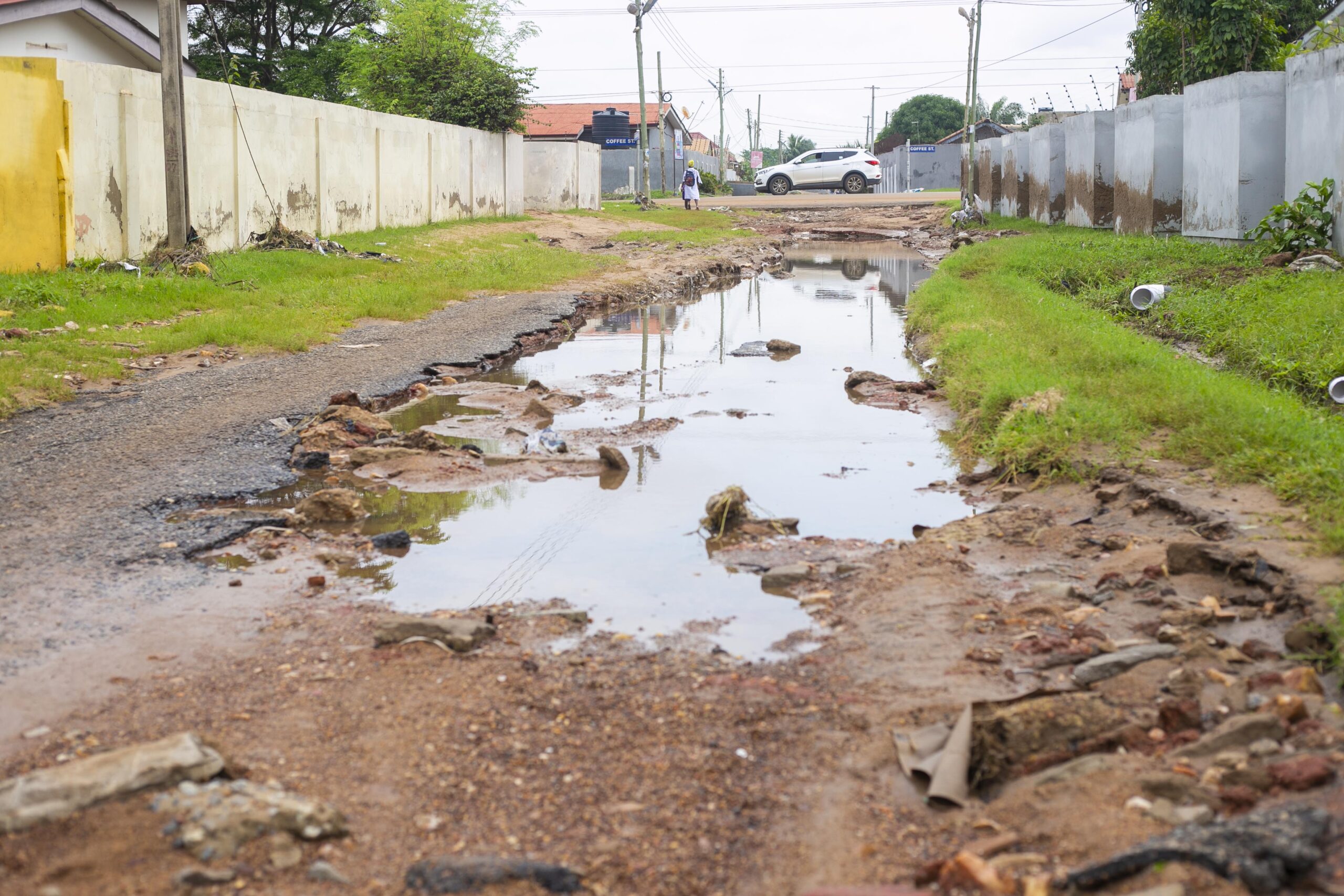
But experts increasingly argue that engineered infrastructure should complement—not replace—natural systems. Restoring wetlands may reduce flood peaks more effectively than continually enlarging drains. Protecting riparian vegetation reduces erosion before sediment reaches rivers.
Allowing rivers sufficient room to overflow naturally in designated floodplains may ultimately prove cheaper than repeatedly rebuilding damaged infrastructure.
Around the world, cities are rediscovering what nature has always provided. And that is, healthy ecosystems perform engineering functions remarkably well.
The challenge lies in preserving enough of those ecosystems before they disappear altogether.
Protecting the Densu before it is too late
The condition of the Densu Basin offers an important lesson. Unlike the Odaw, much of the Densu still retains significant ecological value. Its waters continue to supply the Weija Reservoir, one of the principal drinking water sources for Greater Accra. Protecting the basin therefore extends beyond environmental conservation. It is fundamental to the city’s water security.
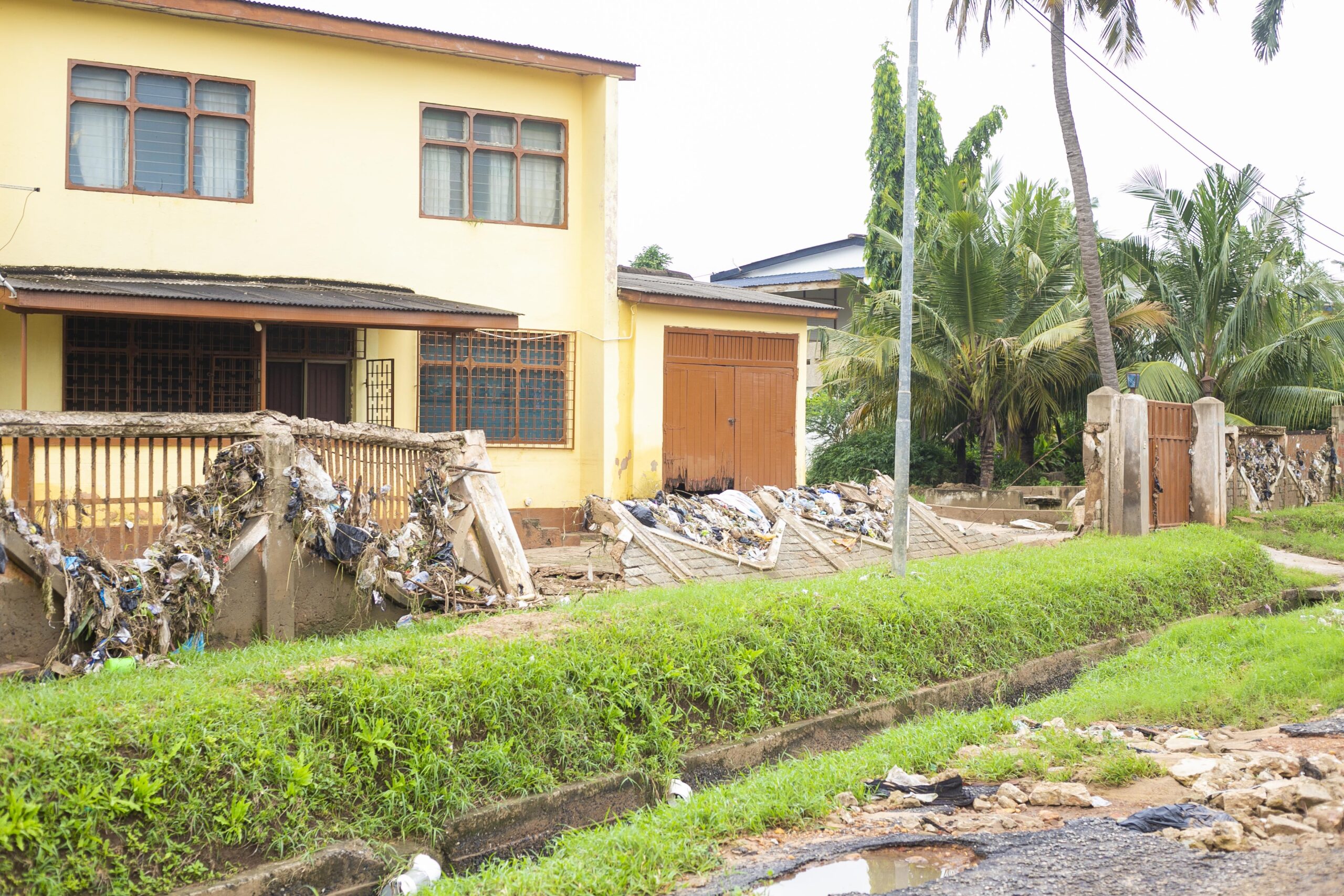
The Water Resources Commission has long advocated integrated management of the basin through protection of riparian buffer zones, improved land-use planning, pollution control and stronger stakeholder participation. These recommendations recognise an important principle. Once a river system collapses environmentally, restoration becomes vastly more expensive than prevention.
Protecting healthy rivers is always cheaper than repairing degraded ones. The Densu therefore represents both a warning and an opportunity.
Governance must catch up with geography
Perhaps the greatest lesson emerging from decades of studies is that rivers ignore political boundaries. The Odaw Basin alone passes through multiple metropolitan and municipal assemblies before reaching the Korle Lagoon. Development decisions made in one jurisdiction influence flood risks in another. Pollution generated upstream eventually reaches communities downstream. Yet responsibility remains fragmented.
Different institutions oversee sanitation, drainage, land use planning, roads, environmental regulation, water resources and local governance. Each performs a legitimate function. Collectively, however, coordination has often fallen short of what watershed management requires.
The GARID framework recognises this complexity, involving multiple institutions—from the Ministry of Works and Housing to the Hydrological Services Department, the Environmental Protection Agency, the Water Resources Commission and metropolitan assemblies—in implementing flood resilience measures.
The institutional architecture already exists. The greater challenge lies in ensuring that agencies work towards shared environmental objectives rather than isolated mandates.
The role of citizens
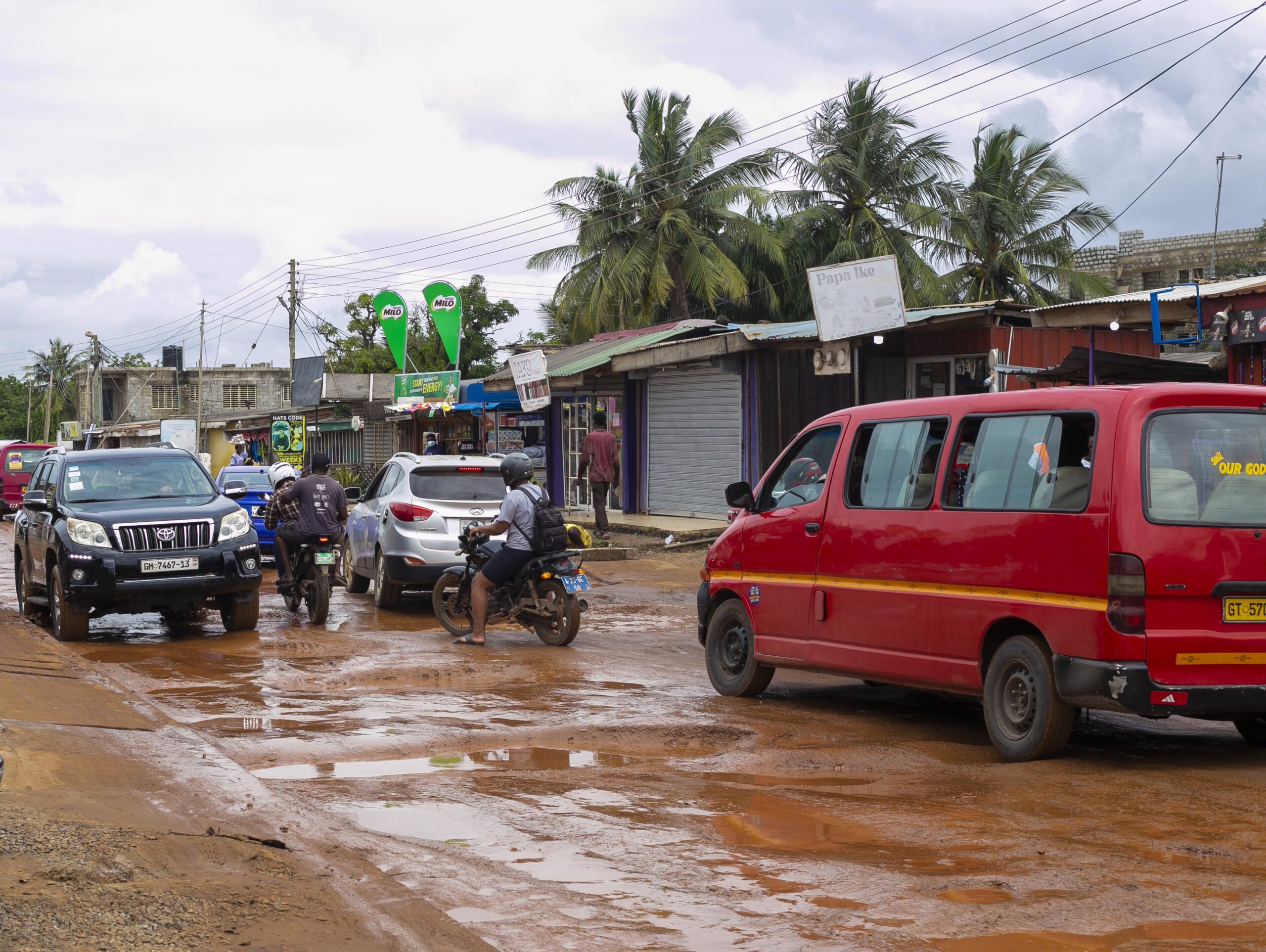
Governments alone cannot restore Accra’s waters. Neither can engineers, nor scientists.
Every plastic bottle thrown into a drain contributes, however slightly, to blocked waterways downstream. Every building erected illegally within a floodplain narrows a river’s capacity. Every household that disposes of refuse improperly adds to a problem that eventually affects the entire city. Equally, every community clean-up matters. Every protected wetland matters. Every tree planted along a riverbank matters.
Restoration succeeds only when environmental stewardship becomes part of everyday urban life rather than an occasional response to disaster.
The health of Accra’s rivers ultimately reflects the behaviour of the millions of people who live within their catchments.
A different way of imagining the city
Urban planners increasingly speak of “blue-green cities” – cities designed around rivers, wetlands, parks and natural drainage rather than in opposition to them.
Such cities recognise water not as an obstacle to development but as an organising principle for sustainable growth.
For Accra, embracing that vision would require difficult choices. Some developments should never occur within floodplains. Certain wetlands must remain undeveloped regardless of commercial value. Riparian buffer zones need enforcement rather than periodic declarations. Solid waste collection must become reliable enough that rivers no longer serve as informal disposal sites. These measures may appear costly, but the alternative is costlier.
Every flood destroys homes, businesses and infrastructure. Every polluted river increases treatment costs for downstream water supplies. Every degraded ecosystem reduces the city’s resilience against climate change.
The economic argument for restoration has become as compelling as the environmental one.
The rivers remember
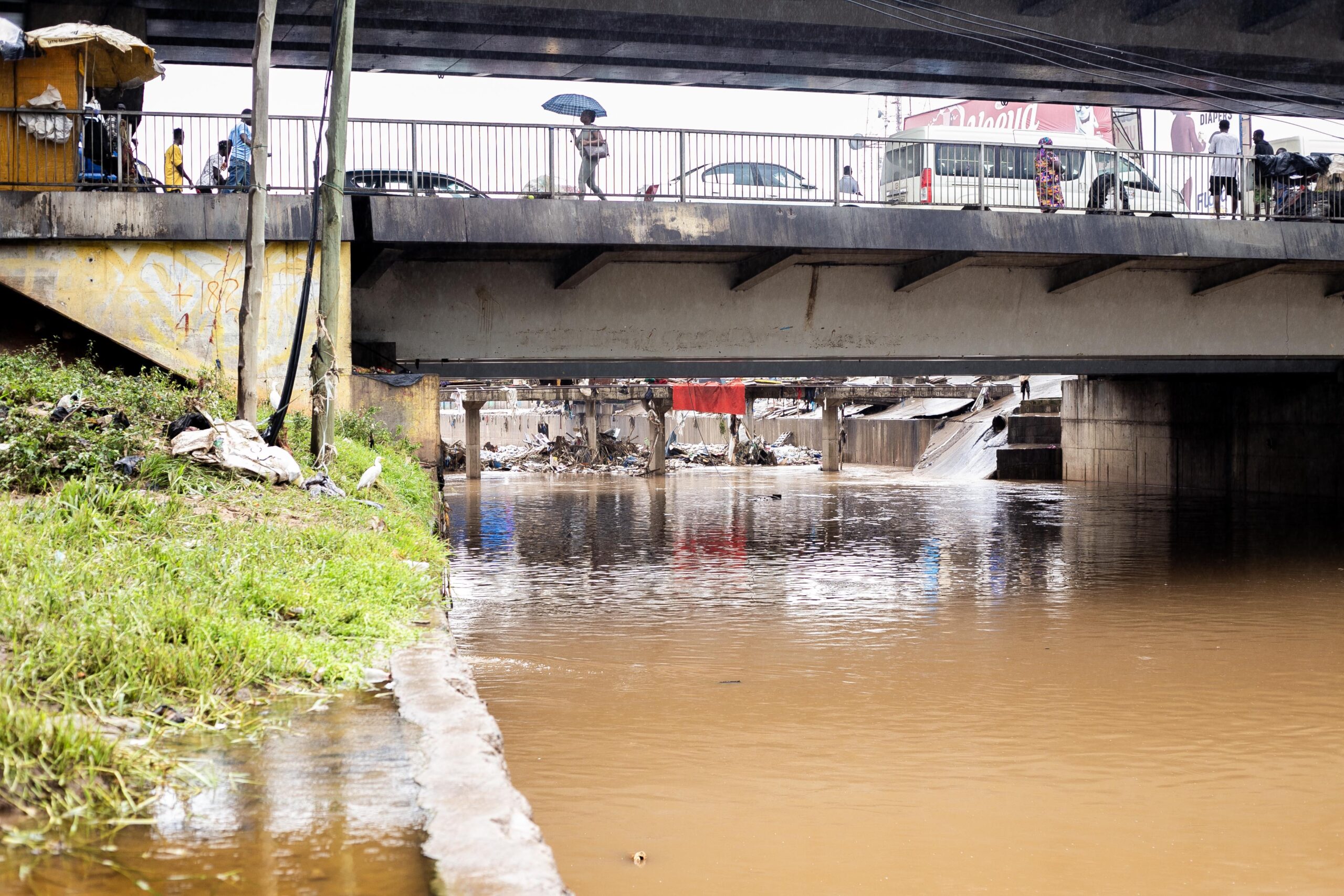
It is easy to look at the Odaw today and see only a concrete channel carrying muddy water beneath busy bridges. It is easy to view the Korle Lagoon as little more than a polluted basin awaiting another clean-up exercise. But rivers possess remarkable resilience.
History offers countless examples of waterways once declared beyond recovery that now support thriving ecosystems again. Nature has an extraordinary capacity for renewal when given the opportunity. Accra’s rivers have not forgotten how to function. Their floodplains remember where water once spread. Their wetlands remember how to absorb rain. Their lagoons remember the tides that sustained them.
The question is whether the city remembers. Whether it remembers that beneath the asphalt and concrete lies a landscape shaped by water. Whether it remembers that the rivers now blamed for flooding are the same rivers whose natural pathways were narrowed, straightened and polluted. Whether it remembers that environmental decline is not inevitable, but the cumulative consequence of choices.
For generations, Accra depended on its waters without fully recognising their value. Today, those waters are sending an unmistakable message. Ignore them, and the floods will become more frequent, pollution more severe and restoration more expensive.
Listen to them, and there remains the possibility that future generations will inherit a city where rivers once again sustain life instead of threatening it.
The story of Accra’s waters is therefore unfinished. Its next chapter has yet to be written.
The pen, for the first time in decades, is in the city’s hands.
By Emmanuel K Dogbevi
Your piece is accurate and very correct. However, I seriously doubt that people of Accra, including the authorities and the government, have the will or the necessary patience to recreate Accra as a beautiful non-flooding Capital City.
I believe it will take a city wide disaster much much greater than the 2011 fire at a Goil filling station to wake up the leaders to finally do what is so desperately needed and it will be for the long term benefit of all when it finally happens.