
How antibiotic abuse is fuelling deaths in Ghana
Pharmacies and street hawkers aid prescription disaster
Kofi, 38, married with three children, works as a commercial minibus driver known in Ghana as ‘tro-tro’. He plies along the Accra–Kaneshie route in the Greater Accra region.
One morning he woke up complaining of fever, chills, and general body weakness. When he consulted a physician at the Korle-bu Teaching Hospital in Accra, the doctor who saw him observed a bloodstream infection and prescribed broad-spectrum antibiotics, the initial treatments given to patients with suspected severe infections. Kofi was admitted.
Three days after his admission, the doctor recommended blood culture and sensitivity testing at the lab. The result came back as “methicillin-resistant Staphylococcus aureus (MRSA),” a staph infection caused by bacteria that are resistant to antibiotics like methicillin, penicillin, and amoxicillin. This meant his initial treatment was ineffective.
The doctor then changed the medication and prescribed vancomycin, a powerful antibiotic used to treat severe, resistant bacterial infections.
The cases of antimicrobial resistance (AMR) like that of Kofi are common in Ghana, and one of the causes is the abuse of medicines, according to doctors.
AMR occurs when viruses, bacteria, fungi and parasites do not respond to antimicrobial treatments in humans and animals, thus allowing the survival of the microorganism within the host.
Dr. Daniel Freeman Owusu Ansah, a senior clinical pharmacist at the University of Ghana Medical Centre (UGMC), describes it as a natural evolutionary process in bacteria, but it is significantly accelerated by antibiotic misuse and overuse.
There are several reasons why some Ghanaians are resistant to the treatment of bacterial infection, and the key reason can be linked to self-medication, says Dr. D. R. Agbenyo, a pharmacist and public health specialist at the St. Gregory Catholic Hospital, Buduburam.
“Many patients face challenges accessing formal healthcare services due to cost, distance, and long waiting times. For a daily-wage earner, these are serious barriers. As a result, self-medication is common,” she said.
“Ghanaians will avoid clinics and instead buy a blister of amoxicillin from itinerant medicine hawkers for as low as two cedis.”
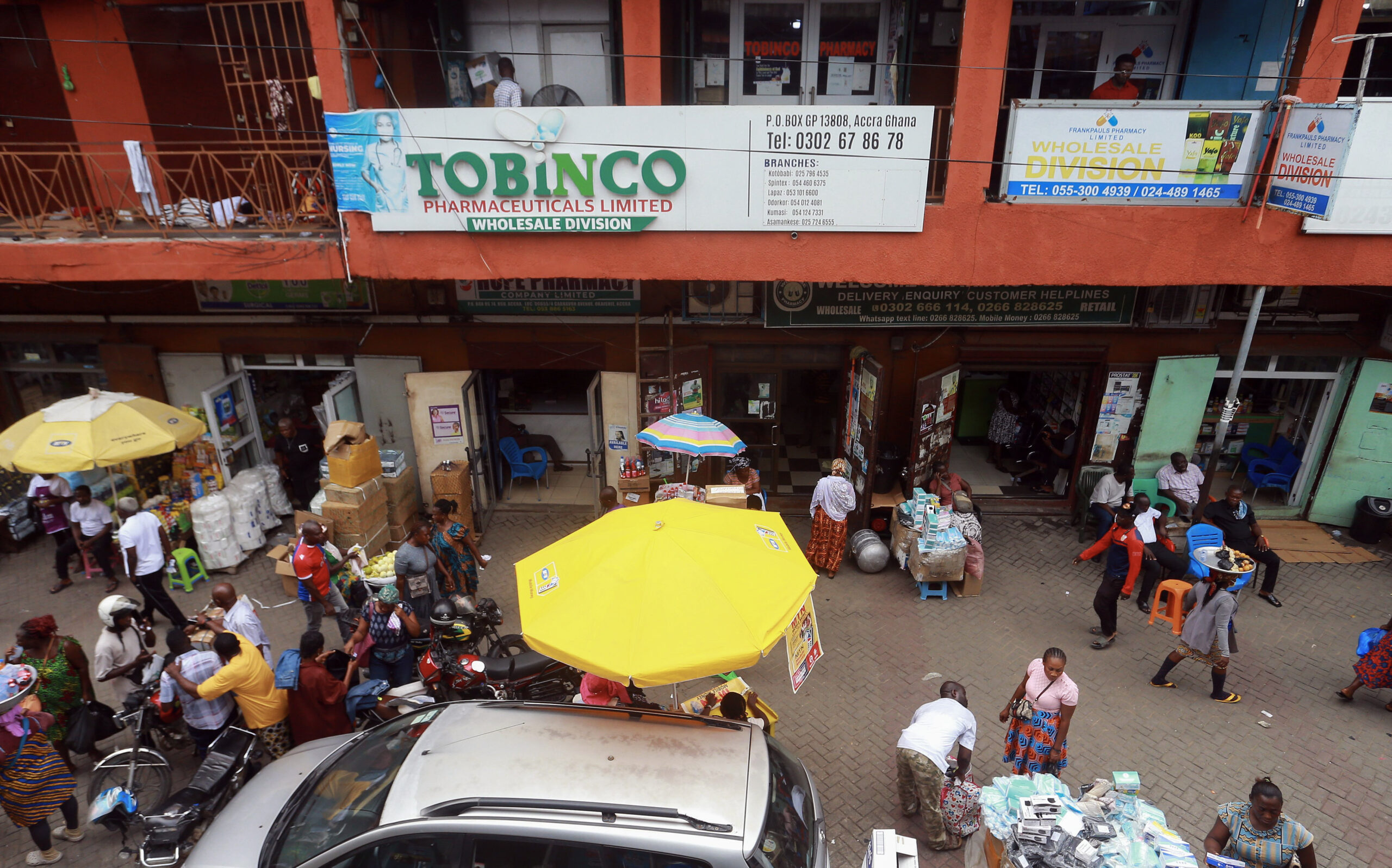
Though the sale of medicines is banned in markets and lorry parks, street peddling of medicine is commonplace in Ghana, and oftentimes, there are no sanctions. Some street hawkers selling drugs are arrested but later released, so they return and become more brazen.
Many patients face challenges accessing formal healthcare services due to cost, distance, and long waiting times. For a daily-wage earner, these are serious barriers. As a result, self-medication is common.
Dr. Agbenyo blamed this problem on the weak enforcement of regulations against unlicensed individuals who encouraged self-medication, which eventually comes at a higher cost to the patients.
For instance, Kofi spent a total of 18 days in the hospital, five days more than the regular treatment for patients hospitalized for antibiotic infections. The extra time in the hospital cost an additional $1,100 (approximately GH¢12,232 at an exchange rate of GH¢12.12 to $1). The longer time spent out of work also meant Kofi lost more income.
Across Ghana, many pharmacies double as consultation rooms
True to Agbenyo’s words, this investigation found widespread self-medication and over-the-counter sales, including pharmacists dispensing antibiotics without prescriptions in three Ghanaian cities.
During visits to pharmacies and over-the-counter drug shops in Sunyani, CCIJ and partners discovered that some attendants do not request doctors’ prescriptions before selling regulated medication.

At one pharmacy, when we asked, an attendant quoted the price of an antibiotic, cephalexin, at GH¢7.00. He only asked for the name of the drug but did not request a prescription.
At another, an attendant said trimethoprim was not available but offered cephalexin mixed with paracetamol at GH¢5.00 and did not demand to see a prescription.
We interviewed a few Ghanaians about how they treat themselves when they fall ill.
Yaw Anokye, 20, a student at the University of Energy and Natural Resources, said he preferred to buy medicines directly and treat himself rather than go to the hospital because it takes a longer time.
Gladys Antwi, 48, a trader, believes that the treatment of common ailments such as headaches and body pains does not require going to the hospital. She only visits the hospital when the condition becomes serious.
Others, such as Christiana Anokyewaa, 45, a civil servant; Elvis Gyapong, 23; and Sandra Mensah, 21, said they prefer self-medication to going to the hospital for minor illnesses.
Only Joseph Mensah, 32, a paralegal, said he would consult a doctor for proper diagnosis before treating any sickness. “I do not take chances with my health,” he said.
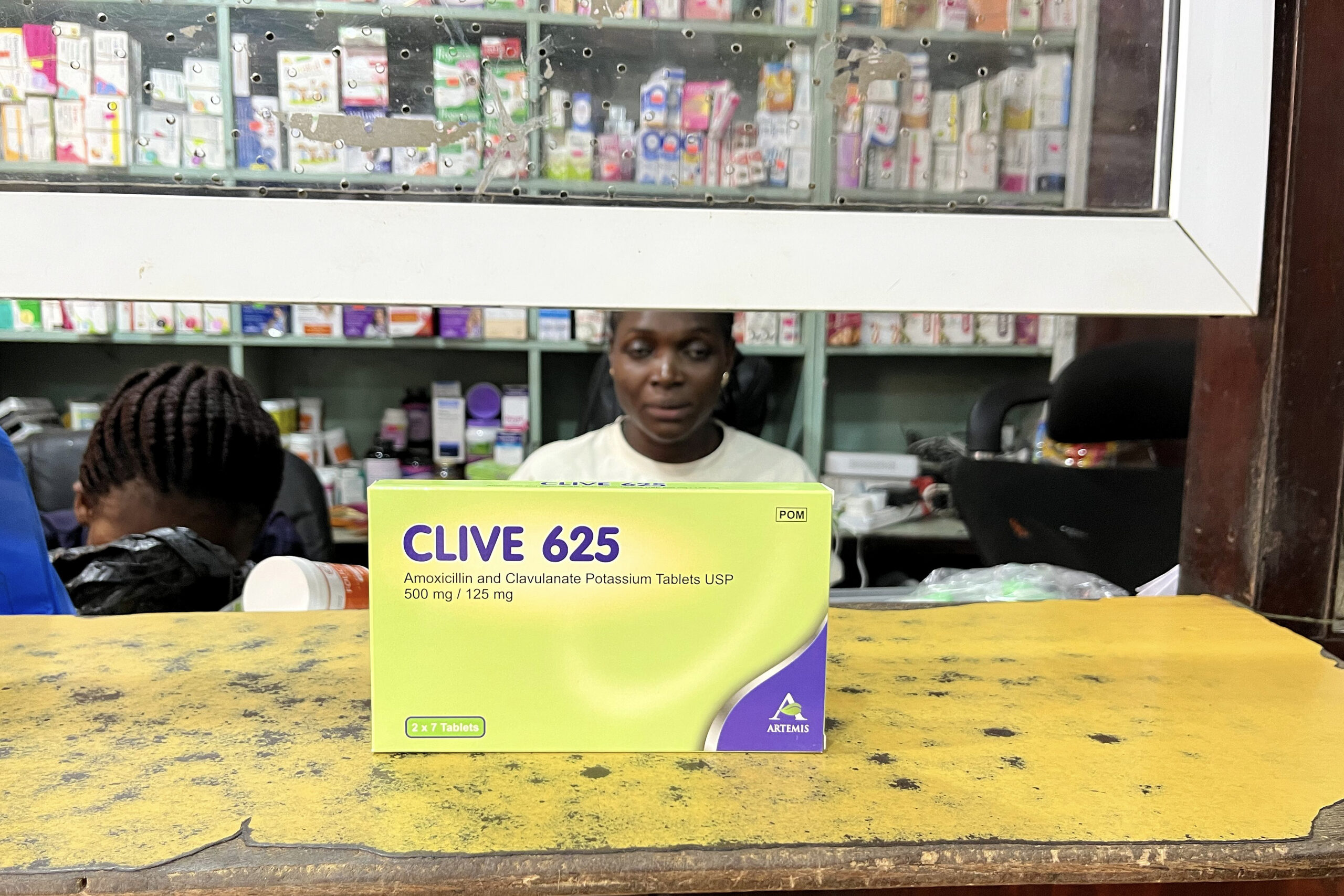
Across 204 countries, Ghana has the 36th highest age-standardized mortality rate associated with AMR in 2019. Ghanaians are mostly resistant to commonly available antibiotics such as amoxicillin, azithromycin, doxycycline, and cephalexin.
A woman who identified as a pharmacist in Accra refused to provide her name but admitted that she did not have certification to work as a pharmacist, yet she was selling drugs in the store. When pressed for more information about how she manages to practice without a license, she declined.
In Ghana, pharmacists are required by law to renew their license every year to be able to practice in order to remain in good standing with the Pharmacy Council of Ghana, (PCG).
This annual renewal is mandated by Section 86 of Part IV of the Health Professions Regulatory Bodies Act (Act 857) to ensure compliance with professional standards.
Ghanaians are mostly resistant to commonly available antibiotics such as amoxicillin, azithromycin, doxycycline, and cephalexin.
According to PCG, there were over 5000 registered pharmacists in 2025 in Ghana; that is a ratio of one pharmacist to 7000 Ghanaians, whereas the WHO recommends one pharmacist to 2000 people.
Others are unlicensed to sell medicines but they do, like the woman who declined to identify herself, but admitted she was unlicensed.
Another pharmacist said during interviews that she sometimes called the doctor to confirm before selling prescription drugs, especially an antibiotic like amoxicillin.
“Such drugs can’t be sold without a prescription,” she said.
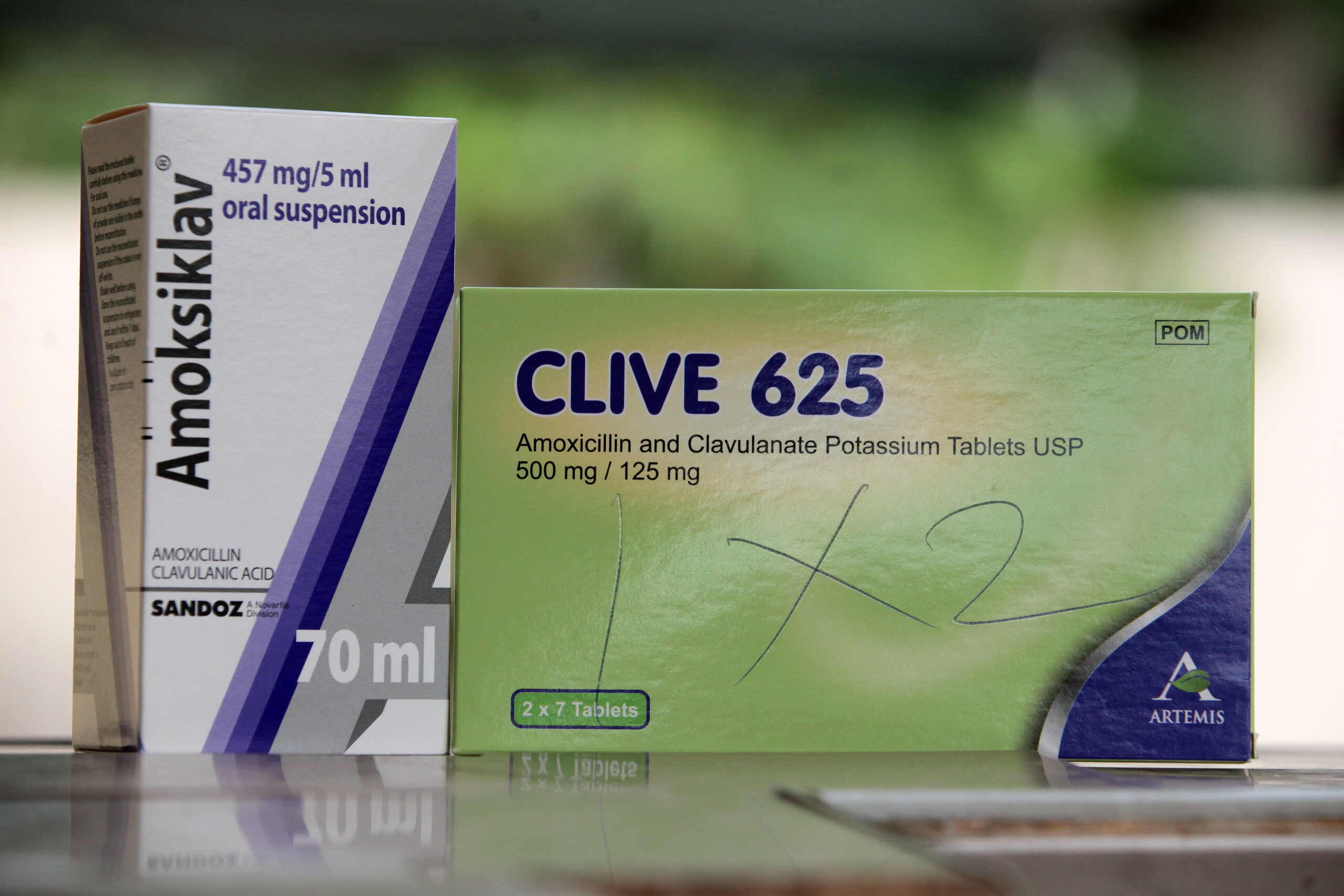
Though she admitted it is illegal to sell prescription drugs without a doctor’s prescription, “there are times we are forced to dispense certain drugs just to meet sales targets. “You know, we also have to make profits.”
Dr. Agbenyo said many Ghanaians who had taken antibiotics before without a prescription are most likely to do it again.
“A person who recovered from a chest infection after taking antibiotic ‘A’ will not hesitate to buy the same drug the next time he develops a cough, even if the cause is viral. This pattern of reuse based on past success is one of the most powerful drivers of antibiotic abuse,” she said.
She said the ease of buying drugs is an indication of the weak enforcement against the illicit supply chain that has caused multiple deaths.
“Such drugs can’t be sold without a prescription,” she said.
Kofi is just one of the lucky few who got treatment and recovered. Some victims, like 81-year-old Dofe Larweh, were unlucky. Her son, Saviour Yevutse, a health professional himself, shared a tragic story.
“Six years ago, I lost my mother due to pneumonia caused by resistant bacteria,” he says.
She started with a common cold and then a cough, he recounts. They moved her from one hospital to the other until she was referred to a tertiary institution. She spent a long time in the hospital and a lot of money before she was diagnosed with a bacterial infection that was resistant to treatment. But it was too late.
A 2024 study has found that there is generally a high prevalence of antibiotic resistance among various bacterial species in Ghana. It noted that these bacteria exhibited resistance to commonly used antibiotics, with resistance to ampicillin and tetracycline exceeding 80 percent.
But who is keeping the number down?
The role of the Food and Drugs Authority and Pharmacy Council of Ghana in regulations
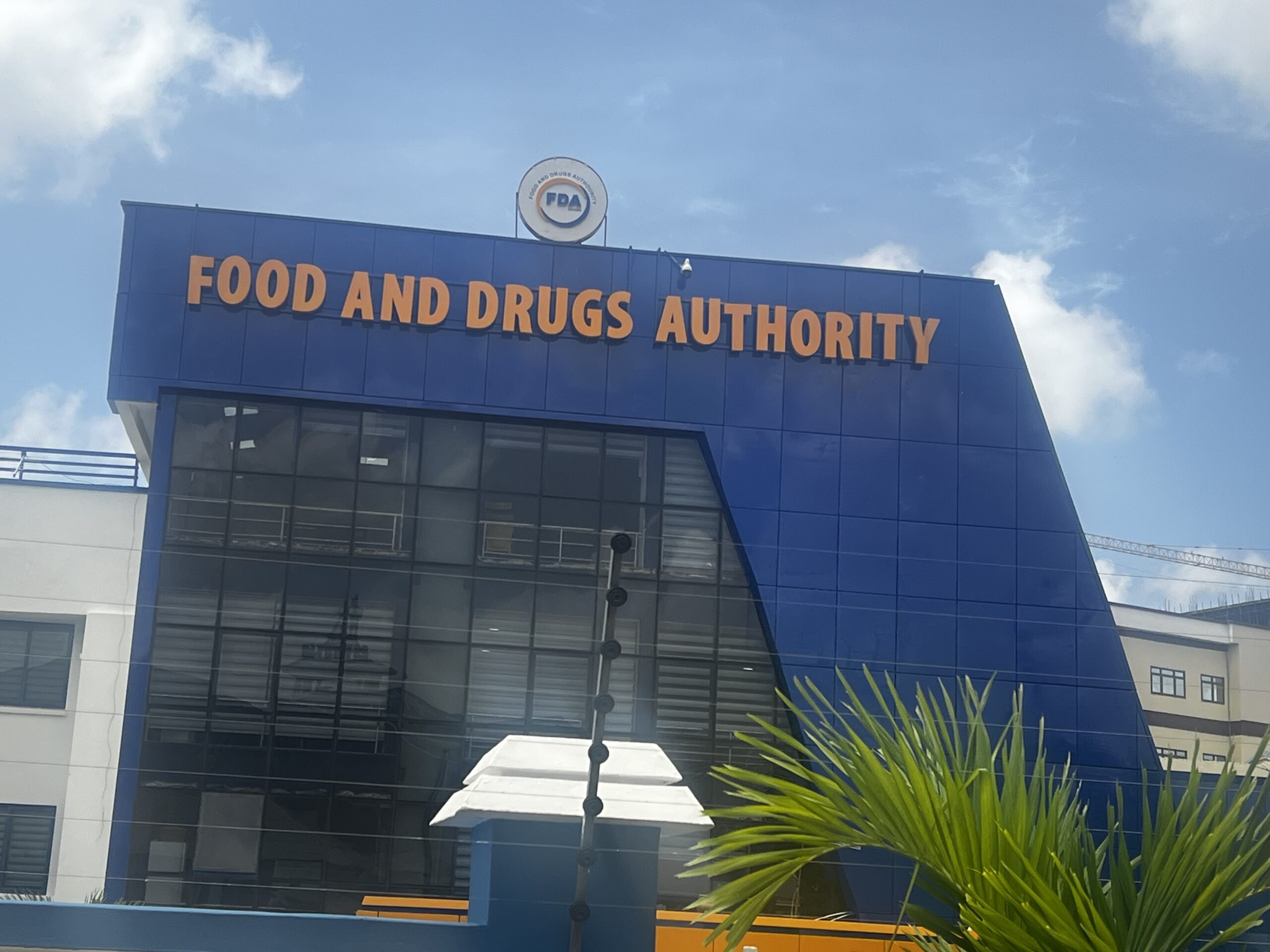
The primary responsibility of regulatory enforcement rests with the Food and Drugs Authority (FDA) of Ghana, operating under the Public Health Act, 2012 (Act 851). The authority is charged with regulating the importation, exportation, manufacture, sale, classification, and distribution of all medicines in Ghana, including antibiotics, which are classified as prescription-only medicines (POMs). It is also mandated to conduct market surveillance, seize unregistered products, and prosecute illegal sellers. Under the law, offenders are subject to fines, imprisonment, or both, depending on the violation.
The FDA works closely with the Pharmacy Council of Ghana, which sets and ensures standards for pharmacy practice and professional conduct. The Council, among other functions, also exercises disciplinary powers over pharmacists and any other pharmaceutical support staff.
Despite the law’s provisions and arrests mostly covered by the media, substandard drugs continue to flood the market.
When CCIJ reached out to the FDA staff for comment, they were at first reluctant.
However, insiders, who refused to be identified because they were not authorized to speak to journalists, blamed the failure on the low ratio of staff inspectors compared to the monitoring task.
We are “understaffed and overwhelmed,” a source said.
According to a study, the FDA only has 683 employees across the 16 regions of Ghana as of 2023 for a population of about 36 million Ghanaians.
The anonymous sources concluded that with the limited number of employees, not much can be achieved.
Responding to questions on WhatsApp, the FDA, however, said they are working with the Ministry of Health on the International Centre for Antimicrobial Resistance Solutions (ICARS) project to test disinfectants’ and antiseptics’ quality in some selected healthcare facilities to reduce hospital-acquired infections and surgical site infections, all to reduce pressure on the use of antimicrobials.
“The FDA also conducts a national Antimicrobial Consumption Surveillance (ACS), where we monitor the volume and patterns of antimicrobial imports into the country to inform policy and clinical practices. We support technical training to improve capacity in the fight against AMR,” it said.
The FDA official said they have recorded success, but they also have multiple challenges ranging from inadequate funding, inefficient border control, and ineffective inter-agency collaborations with other regulatory agencies such as the Pharmacy Council, Ghana Revenue Authority-Customs division, and Ghana Police Service, leading to a weak grip on AMR control.
Dr. Agbenyo said the ease of obtaining antibiotics on the streets is a fundamental failure in Ghana’s regulatory effort. “The informal purchase of antibiotics in Ghana is not a coincidence. It is the predictable outcome of weak enforcement, an overstretched inspection workforce, and a sprawling informal drug supply chain,” she said.
Ghana has thousands of licensed over-the-counter (OTC) medicine shops that are legally permitted to sell only a defined list of over-the-counter medicines, she added. “In practice, many of these shops stock and sell antibiotics and other prescription-only medicines, operating openly without consequence. Their operators are not trained pharmacists, and their primary concern is commercial viability, not patient safety.”
Available data shows that by 2022 there were approximately 4,198 registered pharmacies and 20,326 licensed over-the-counter medicine sellers throughout Ghana. OTC medicine shops are licensed only for the distribution of non-prescription drugs, but they flout the laws without sanction.
The sellers, including some licensed outlets, dispense antibiotics without prescriptions to beat competition and increase sales and profit, Dr. Agbenyo said.
Dr. Owusu Ansah of UGMC confirmed the statement. He blamed the problem on lax regulation and economic factors.
The Pharmacy Council of Ghana, under the Health Professions Regulatory Bodies Act, 2013 (Act 857), is responsible for the regulation of the professional conduct of pharmacists and licensing pharmacy premises.
The Council has the authority to investigate and sanction pharmacy owners, superintendent pharmacists, locum pharmacists, and owners of chemical shops that dispense prescription medicines without prescriptions.
Both the council and the FDA are expected to collaborate to nab suspects in line with the Ministry of Health National Action Plan on AMR.
“The challenge, however, is translating policy frameworks into operational enforcement at the district and community levels, and this is precisely where the system currently falls short,” Agbenyo says.
The Pharmacy Council of Ghana did not respond to questions sent by email and followed up by phone calls and on messaging app, WhatsApp.
The FDA did not respond to a question on staffing.
Public demand and expectation
According to Dr Agbenyo, a huge demand for antibiotics incentivizes the AMR problem because buyers seek quick relief.
“Patients frequently request specific antibiotics by name and brand even when they are not prescribed. Some threaten to get the medication elsewhere if the pharmacist is reluctant to dispense.”
Hence, some retailers dispense antibiotics without a doctor’s prescription to satisfy customers and retain patronage.
She said the shift in decision-making from doctors to the consumer reinforces abuse that contributes to antimicrobial resistance and the resultant death among Ghanaians.
Deaths from AMR
The abuse, misuse, and overuse of antibiotics are causing misery, pain, and even death while burdening Ghana’s overstretched health system.
Since 1990, more than 5,000 people per year have died in Ghana due to AMR, according to statistics compiled by the Institute for Health Metrics and Evaluation at the University of Washington in Seattle.
Dr. Owusu Ansah notes that these figures underscore the significant health burden posed by AMR in the country.
A major determinant of AMR and its spread is the weak enforcement and nonadherence to practice standards, policies, and regulations that govern the access to and use of antimicrobial agents in both humans and animals.
“AMR is a serious and growing public health problem in Ghana. Resistance is being seen in hospitals, communities, farms, food products, and the environment,” says Dr. Obed Kwabena Offe Amponsah, an antimicrobial specialist at the Kwame Nkrumah University of Science and Technology Medical School.
He was, however, quick to add that Ghana has made progress on policy, surveillance, infection prevention, and antimicrobial stewardship, but the problem remains widespread and underfunded.
While indicating that AMR is a global public health threat, Dr. Owusu Ansah, says the situation in Ghana reflects the broader global situation and adds that “the problem is largely driven by the indiscriminate use of antibiotics by both healthcare professionals and the general public.”
He also added, “The use of these antimicrobial agents in plant and animal farming has also contributed significantly to this crisis. Studies conducted across regional, district, and teaching hospitals in Ghana have shown high levels of resistance to many commonly used antibiotics.”
Dr. Agbenyo cites amoxicillin, amoxicillin-clavulanic acid, and metronidazole as some of the most commonly available and abused antibiotics.
Creeping upon the population in silence, antimicrobial resistance is sparing no one in its path. It is affecting almost every section of the Ghanaian population. According to Dr. Amponsah, children under five are among the most vulnerable.
“Hospital patients, particularly those with severe infections, also experience significant impact.”
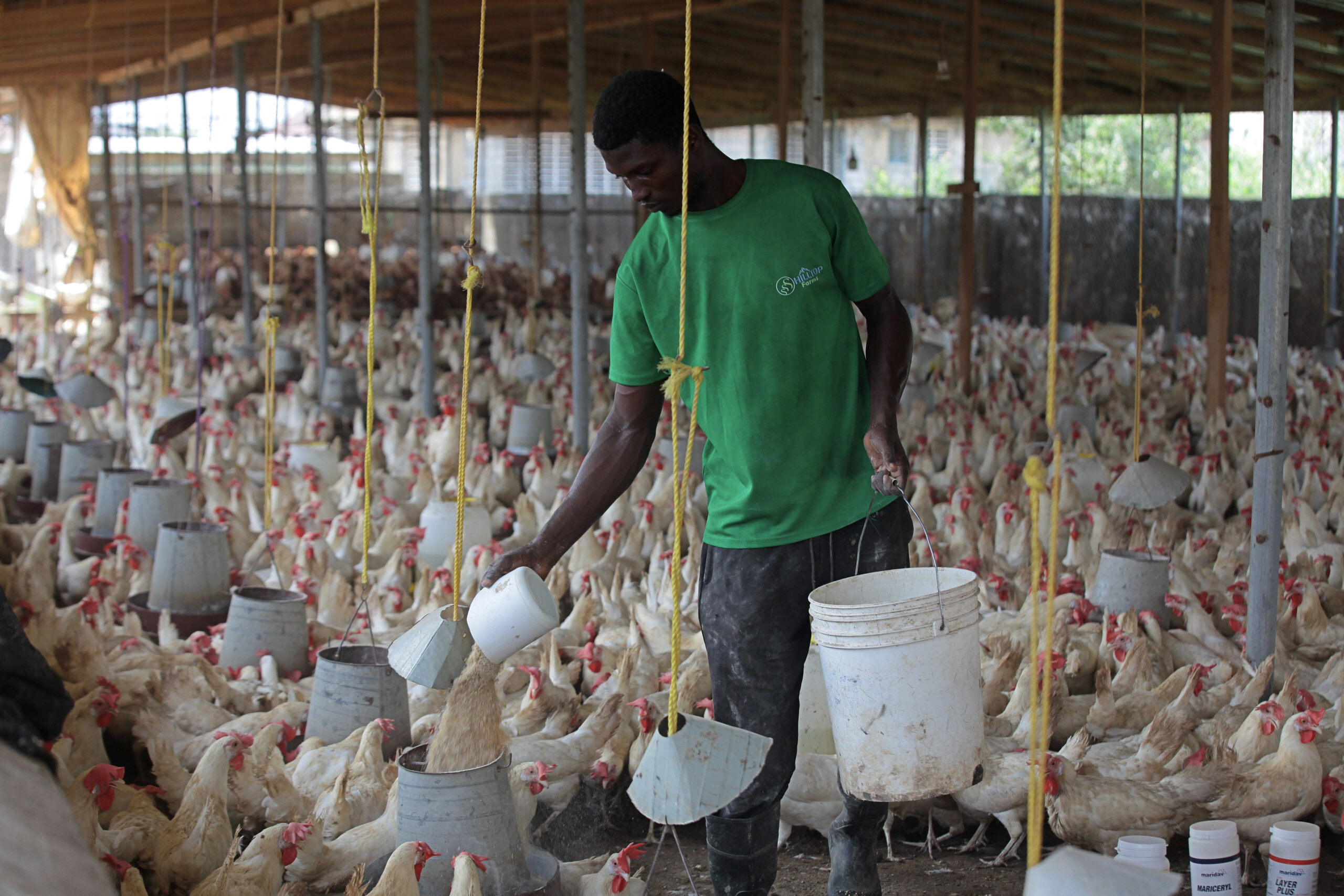
Poultry farmers, livestock handlers, food workers, and consumers may face added risk through repeated antibiotic exposure and resistant bacteria in the food chain. He added that weak infection control, delayed diagnosis, unsafe antibiotic use, and contaminated food or environments expose these groups more.
Financial burden on hospitals and patients
“Studies conducted in two major public hospitals showed that patients with drug-resistant infections remained hospitalized for approximately five additional days compared to those with infections caused by susceptible organisms. This extended stay translated into an extra cost of about $823–$946 per admission,” Dr. Owusu Ansah said.
He also noted that over the course of one year, the combined additional expenditure for just these two facilities in Ghana was estimated at roughly $650,000.
“The financial impact on patients was even more substantial. On average, individuals with drug-resistant infections incurred around $1,300 in extra costs, including medical expenses and lost income due to time away from work. Overall, the annual economic burden at the patient level in these two hospitals was estimated to range between $1 million and $1.4 million. These findings highlight not only the burden of AMR mortality in Ghana but also its economic impact,” he said.
Ghana government efforts
The Ghanaian government has not publicly disclosed the actual amount allocated to address antimicrobial infections. However, the estimated societal cost to Ghana is approximately $435 million each year.
Saviour Yevutse, The AMR Focal Person at the Ministry of Health said it is difficult to estimate the total cost to fight the menace because multiple government agencies and international partners are involved. The list includes the World Health Organization, Food and Agriculture Organization, Fleming Fund, and others.
“The Fleming Fund has supported us with over £2 million. They helped to strengthen the monitoring of resistant bacteria in selected hospitals across Ghana. Currently, some selected hospitals in about 50% of the 16 regions of Ghana are being monitored for AMR; as a result, we have data that shows the resistance pattern in the country,” Yevutse says.
USAID also provided funding before it was shut down July last year. Currently there are interventions on infection prevention and control across all health facilities in the country, he added.
Notwithstanding, many citizens, like Kofi, practice self-medication because enforcement is weak. But not many have access to the same level of healthcare that Kofi received at the Korle-bu Teaching Hospital when the situation becomes critical.
“Antimicrobial resistance is not a future problem. In my practice, I have seen patients arrive with infections caused by bacteria that are resistant to first-line, second-line, and, in some cases, third-line antibiotics. The treatment options available to us are shrinking. And when they are exhausted, infections that were once trivial will become fatal,” Dr. Agbenyo says.
That was the case of Dofe Larweh, who, like several others, was unlucky.
She died before she could recover.
By Emmanuel K Dogbevi
This story was supported by Nigeria Health Watch and jointly produced by the Center for Collaborative Investigative Journalism (CCIJ) and Ghana Business News.
Editors: Ajibola Amzat & Steve Buist; Data editor: Peter Aldhous; Visual editor: Nic Bothma Photographer: Christian Thompson