
High attrition at RTI Commission undermining prompt access to information – Stephen Owusu
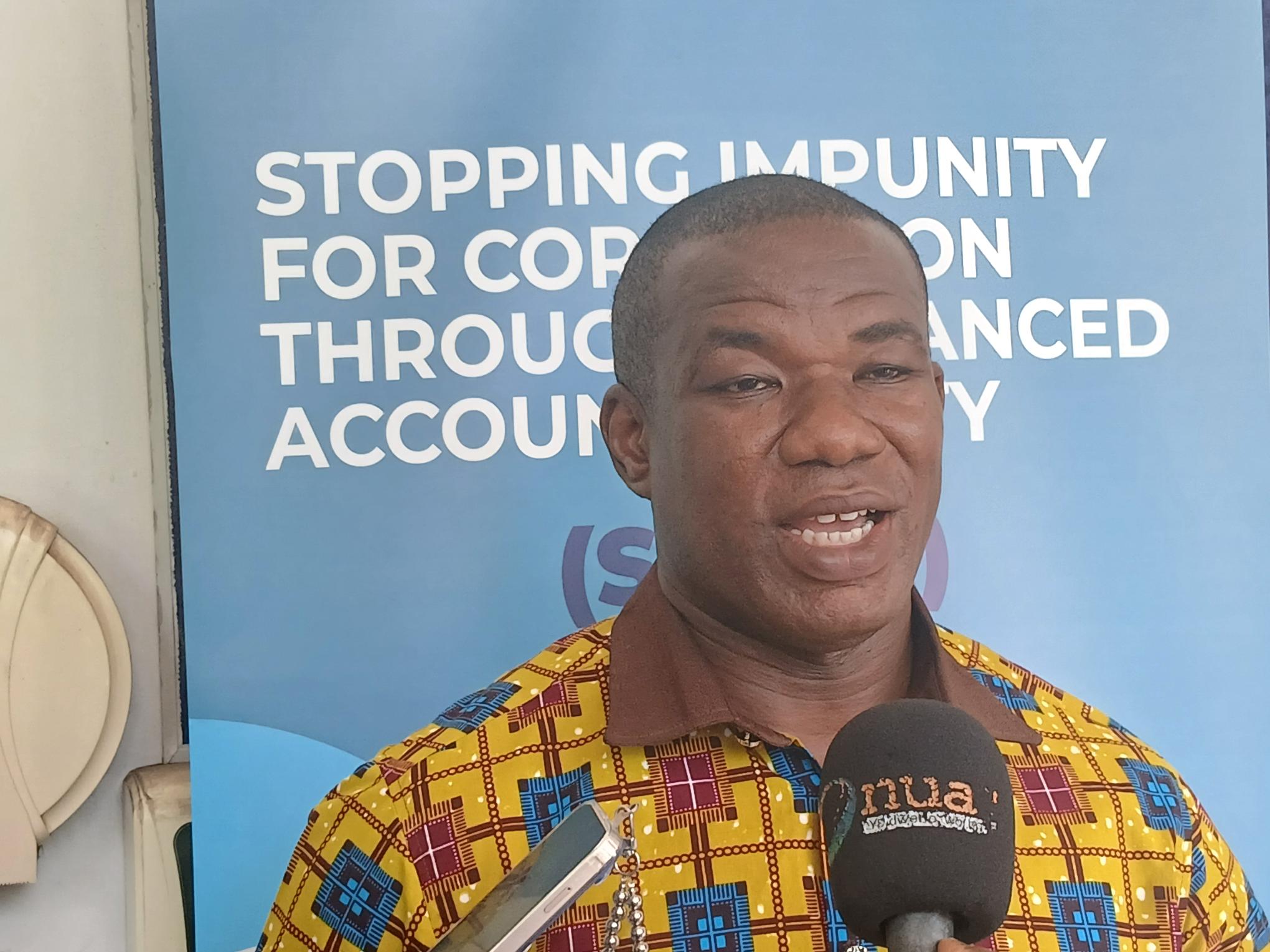
High staff attrition at the Right to Information (RTI) Commission is undermining the timely processing of information requests and complaints, Mr Stephen Owusu, Head of Legal at the Commission, said on Tuesday.
He said the Commission, despite being an independent body under law, continued to grapple with limited resources and the loss of trained personnel, particularly lawyers, which had placed significant pressure on its operations.
Mr Owusu disclosed this at an advocacy workshop on the implementation of the Right to Information Act, 2019 (Act 989), in Accra.
The advocacy engagement formed part of a broader anti-corruption initiative, dubbed: “Stopping Impunity for Corruption through Enhanced Accountability,” being implemented in partnership with Transparency International Secretariat.
The Commission was established in 2020 and mandated by Section 40 of the Right to Information Act, 2019 (Act 989), which was assented to in May 2019 and became operational in January 2020.
Its primary mandate is to promote, monitor, protect, and enforce the right to information granted to all persons under the Constitution.
Mr Owusu noted that in 2022, the Commission recruited 120 staff, but a high attrition rate had since affected several departments, including the Legal and Tribunal Department.
For instance, he said, the Legal Department, which previously had eight lawyers, was left with only one lawyer by the first quarter of last year, forcing the Commission to recruit newly qualified lawyers and invest resources in training them.
The situation, he said, had contributed to delays in the handling of complaints and applications submitted to the Commission.
“My department had eight lawyers working under me. As of the first quarter of last year, I was left with only one lawyer. These are real challenges. You can imagine the volume of complaints coming. I train the lawyers, they leave,” he said.
Despite the challenges, he said, the Commission remained committed to fulfilling its mandate of promoting, monitoring, protecting and enforcing the right of access to information guaranteed under the Constitution and the RTI Act.
“The applications keep coming and court cases are also increasing. We are doing everything possible to ensure that we continue to deliver on our mandate,” he said.
Mr Owusu also expressed concern over what he described as a growing reluctance by some institutions, particularly security agencies, to comply fully with the RTI Act.
He revealed that the Commission had recently received communication from the National Signals Bureau seeking exemption from the application of the law on grounds of the confidential nature of its operations.
The Commission had consistently maintained that while certain categories of information may be exempt from disclosure under the Act, no public institution could exempt itself entirely from the law.
Mr Owusu said the RTI Commission did not side with public institutions in disputes over access to information but rather sought to ensure that citizens enjoyed the rights guaranteed under Article 21(1)(f) of the 1992 Constitution.
He observed that public awareness and use of the RTI law had increased significantly since the implementation began, with individual citizens now constituting the majority of applicants, compared to the early years when requests were dominated by media organisations and civil society groups.
The development reflected growing public understanding of the law and its role in promoting transparency and accountability in governance, Mr Owusu said.
He urged information officers across public institutions to adopt the same philosophy and take principled positions when processing requests for information.
On the proposed Legislative Instrument (LI) to support implementation of the RTI Act, he noted that work on the draft regulations had largely been completed and was currently being reviewed by the Commission’s governing board before submission to Parliament.
He expressed optimism that the LI would be passed before the end of the year.
Mr Bright Sena Ayivi, Assistant Programmes Officer at Transparency International Ghana, presenting the findings of a recent study on the implementation of RTI laws in East and West Africa conducted by the organisation, identified some persistent challenges, including bureaucratic delays, administrative bottlenecks, low public awareness of RTI rights, inadequate digital infrastructure and resistance by some public institutions to releasing information.
The findings also showed that proactive disclosure of information by public institutions remained limited, compelling citizens to go through lengthy request processes before accessing public records.
Mr Ayivi observed that awareness and utilisation of the RTI law in Ghana remained largely concentrated among civil society organisations and media practitioners, with many citizens at the grassroots level still unaware of how to exercise their right to access information.
He added that internet connectivity challenges and centralised information management systems further limited access to information in some communities.
He called for stronger enforcement of the RTI Act, increased public education campaigns, proactive disclosure of information by public institutions and greater collaboration among anti-corruption agencies.
Such measures, he said, would strengthen transparency and accountability, improve public confidence in governance and support efforts to combat corruption and impunity in Ghana and across the continent.
Source: GNA