
The role of citizens is critical in implementation of constitutional reforms
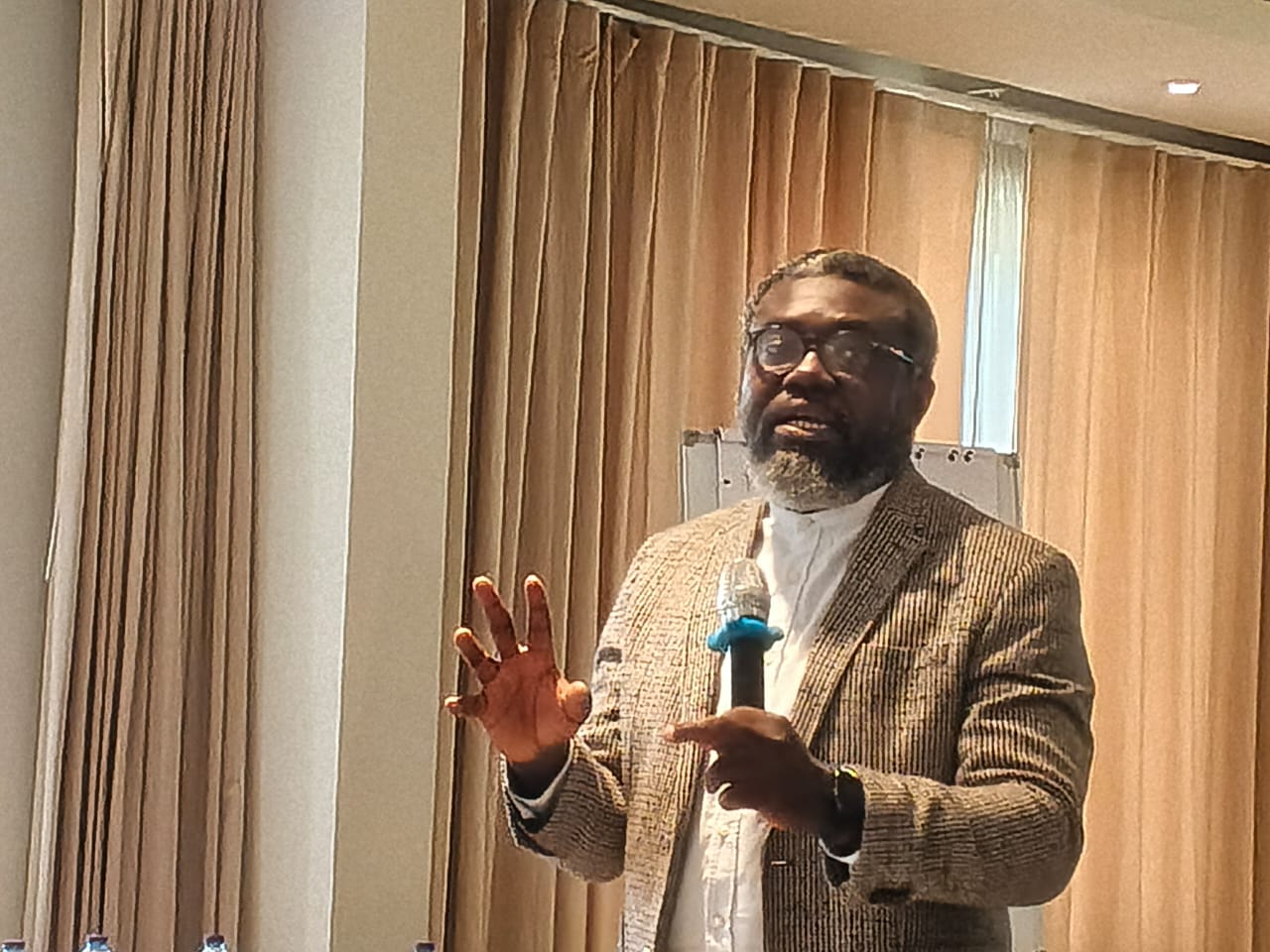
Mr. Oliver Barker Vormawor, the Chief Director, Democracy Hub, has stressed the need for the citizenry to take a lead in ensuring that the constitutional reforms were duly implemented.
He also proposed the introduction of a citizen initiative mechanism for constitutional amendments adding, “There’s a possibility for civil society stepping in to mobilise citizens for a constitutional referendum.
Mr Barker-Vormawor made the suggestions when the Steering Committee of the Citizens Platform on Constitutional Reforms made up of Star Ghana, CDD and Democracy Hub with funding from UK International Development organised a two- day capacity building workshop for Civil Society Organisations (CSOs).
The workshop aimed at strengthening Ghana’s ongoing constitutional review process.
The workshop sought to enhance participants’ understanding of the constitutional review process, equip CSOs with practical advocacy and engagement skills, and promote collaboration among civil society actors to ensure effective and coordinated action on constitutional reforms.
Ghana’s constitution, he recalled, had faced problems since its adoption and that, by 2008, all political parties and civil societies agreed on the need for a constitutional amendment, after 16 years of democracy.
In 2009, all political parties agreed on constitutional reforms leading to the formation of Constitutional Review Commission (CRC) in 2010, which conducted consultations across the country and identified several issues.
A white paper was issued based on the CRC’s recommendation, but process delayed due to political uncertainties, he recalled.
Mr. Barker Vormawor said a new committee was set up to review the recommendations and make proposals for constitutional amendments with a 506-page report, though full report was still pending.
The preceding notes made it imperative for CSOs, and the citizens to form a strong alliance to sustain the quest for the reforms to become effected.
“We must initiate something that must be supportive of citizens. So, we garner signatures across the country and get that pushed. That’s the new mechanism,” Barker -Vormawor also a constitutional lawyer added.
He explained: “The mechanism is that you are required to gather a certain number of signatures of registered voters – and the signatures must be the representatives of all the regions.
“So, 10 percent each must come from all the regions and the issues must be sent to Parliament to be able to be passed.”
In 2025, the Citizens Platform on Constitutional Reform was launched to serve as a coordinated framework to ensure that the ongoing constitutional review process was participatory and citizen- driven.
The Platform had mobilised a broad coalition of 70 civil society actors to advocate amendments to the 1992 Constitution to enhance accountability, transparency, and inclusive
Mr Barker-Vormawor spoke about the political will required to implement constitutional reforms and noted that, the current Majority in Parliament was ideal to initiate the new citizen mechanism.
He highlighted the need for a government position paper on the recommendations of the Prempeh Committee and a civil society paper on the reforms.
The constitutional expert told the participants that party in government has more than 66 percent majority in Parliament to enhance the various proposed amendments to the constitution.
He said the people must be excited to go and vote in the referendum.
“If we focus on Parliament, we may be blocked, that’s the first challenge, so we have to think through the implementation process, the alternative. The political class wants us to focus only on the non-entrenched ones,” Barker-Vormawor said.
Meanwhile, the entrenched parts of the Constitution required a referendum for changes, one critical to drive change and social equity.
A referendum requires at least 40 percent voter turnout and 74 percent for approval.
“Historically, voter participation had been challenging. The proposal includes focusing on referendums for significant constitutional changes and introducing a citizen initiative for direct amendment.”
Besides, Barker-Vormawor advocated the need for a clear communication and mobilisation to ensure high voter participation and avoiding the potential risks of politicising the process.
Mr. Donkris Mevuta, the Executive Director of Friends of Nation (FON), noted how the 1992 Constitution had anchored Ghana’s democratic governance for over three decades, defining how power was exercised, how accountability was enforced, and how rights were protected.
However, as society evolves, the framework that governs it must also show change.
In 2025, Mr Mevuta said, President Mahama established the Constitutional Review Committee, chaired by Professor Henry Kwesi Prempeh, to guide the review process.
He said that presented a renewed opportunity “to strengthen our democratic architecture.”
But, the success of the committee, he argued, would depend on an inclusive, transparent, and citizen-led approach that earns public trust and delivers meaningful change.
History, Mr Mevuta said, was a reminder that, before the Fourth Republic, Ghana had witnessed periods of citizen inaction and passiveness in national conversations and decision-making, thereby contributing to turbulence in the country’s governance.
He adds that, “When citizens withdraw, democratic spaces shrink. When voices are silent, decisions are left to a few. Today, we have an opportunity to do things differently; to be involved, to participate actively, and to claim a sense of ownership over the direction of our nation.”
Mr. Raymond Danso, Portfolio Manager, Star Ghana Foundation noted the role of the 1992 Constitution in shaping Ghana’s democratic governance and the need for constitutional reforms, notably the excessive executive powers, weak separation of powers and accountability.
In his campaign prior to the 2024 presidential election, President’s Mahama promised a constitutional review, of which a committee submitted full report in January 2026, emphasising CSOs role to influence the process to rebuild democratic institutions and public trust.
Mr Danso said, a citizen platform was established to coordinate stakeholders, provide a space and solicit their perspectives to ensure the reforms addressed the interests of majority of Ghanaians.
He mentioned the lack of progress in previous review processes and hoped that better outcomes would be achieved this time.
He added: “We also ensure there is some level of safeguards to ensure the interest are articulated and presented to Parliament for deliberation.
“We need to ensure that there’s no fatigue as people engage so the proposals and recommendations just end up on the table.”
Source: GNA