
How do Formula 1 drivers manage braking?
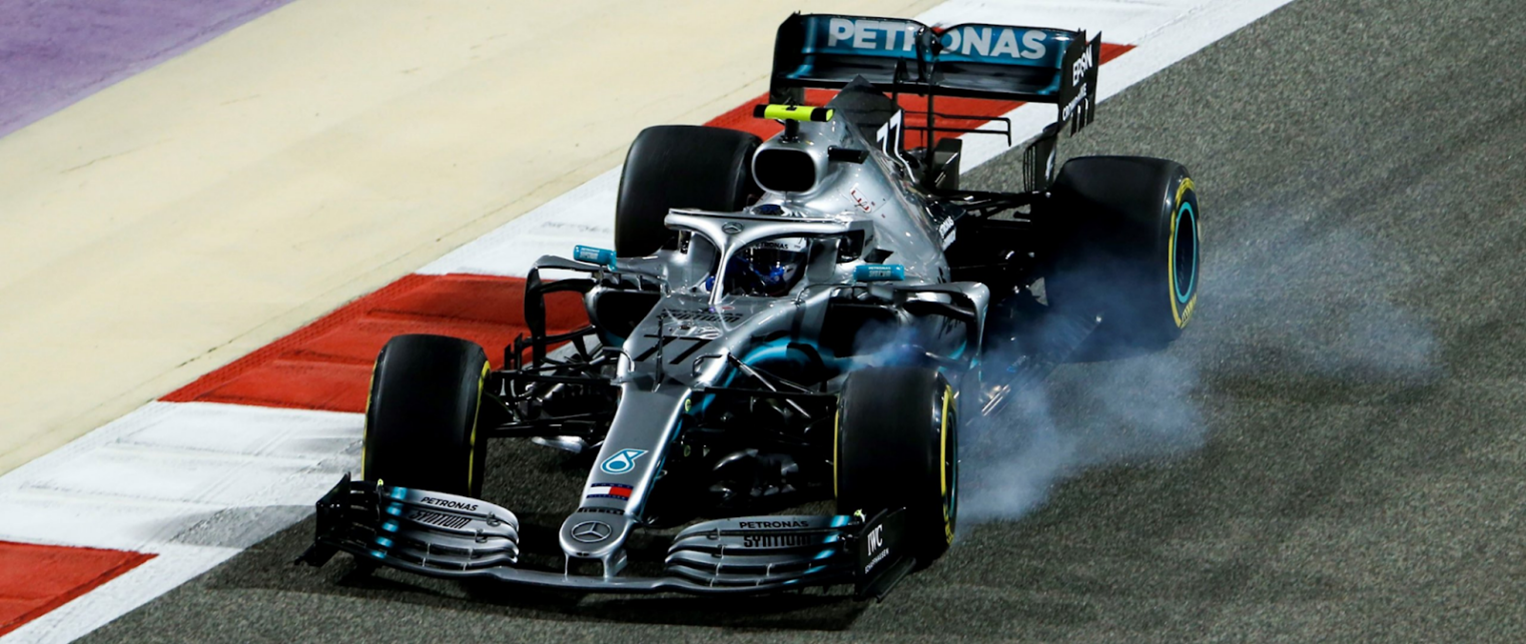 Braking in F1 is one of the most physically demanding and technically complex aspects of driving. And when making sports betting only with 1xBet, you will be able to enjoy great odds when trying your luck on Formula 1 too.
From speeds over 330 km/h, drivers routinely slow their cars to under 100 km/h in just a few seconds, experiencing deceleration forces of more than 5 g. To achieve this, F1 cars use advanced carbon-carbon brake systems and sophisticated electronic control. The best motor sports are available for betting only with 1xBet if you want to find great winning opportunities.
The brake discs and pads are made from carbon-carbon composite, a material that performs best at extremely high temperatures. Optimal braking occurs when the discs are typically between 400°C and 1,000°C. If the brakes are too cold, they provide very little friction, which is why drivers aggressively “warm up” their brakes during formation laps and behind the safety car. Managing this temperature window is critical to maintaining consistent braking performance and avoiding fade.
Great engineering marvels
F1 cars also use carefully designed brake ducts to control airflow through the discs. And while waiting for the next big F1 event, you may also want to explore the online casino in Ghana that 1xBet offers.
Teams adjust duct sizes and internal ventilation holes depending on 3 aspects:
- track layout;
- ambient temperature;
- and expected braking loads.
This ensures the brakes stay hot enough for performance but cool enough to prevent overheating or material degradation.
A key modern feature is the Brake-by-Wire (BBW) system on the rear axle. When a driver presses the brake pedal, the front brakes operate hydraulically in a traditional way. At the rear, however, braking is shared between mechanical friction brakes, engine braking, and electrical braking from the hybrid MGU-K system, which recovers energy and sends it to the battery. The BBW system electronically blends these sources to give the driver consistent pedal feel and stable rear braking, even as energy recovery levels change.
Drivers constantly adjust brake bias, the balance between front and rear braking, using controls on the steering wheel. As fuel burns off and tire grip changes, drivers fine-tune this balance to prevent front lock-ups or rear instability. They also modulate pedal pressure with extreme precision, often applying more than 60 kg of force with their left foot to achieve maximum stopping power.
Together, advanced materials, thermal management, electronic systems, and driver skill allow F1 drivers to brake later, harder, and more precisely than in any other form of motorsport.
Disclaimer:
Bet responsibly. 18+ Gambling is Addictive. This advertisement has been approved and vetted by the Gaming Commission